
Top 10 Keto Diet Foods You Should Eat for Faster Weight Loss
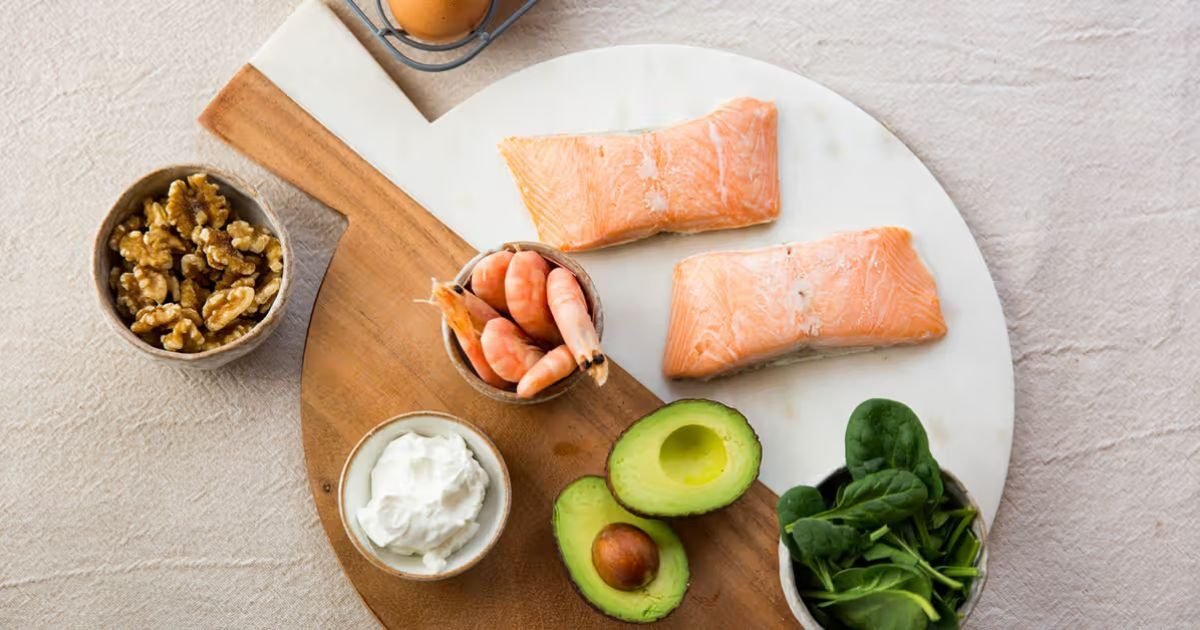
The Keto Diet is a low-carb, high-fat nutritional approach that shifts your body from burning glucose to burning fat for fuel. If you want to lose weight efficiently, choosing the right keto foods matters more than strict rules—because nutrient quality determines hunger, energy, and long-term sustainability. This article lists the top 10 keto diet foods that support faster weight loss, explains how they work, and gives practical keto meals and safety tips to stay healthy while losing fat.
How the Keto Diet Works
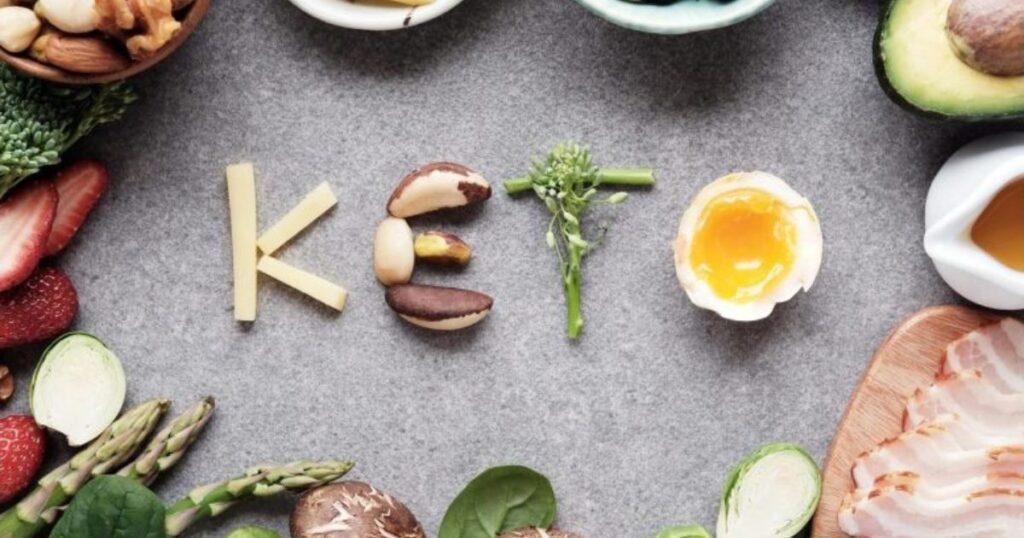
The Keto Diet reduces carbohydrate intake (typically <50 g/day), forcing the liver to produce ketone bodies from fats—a metabolic state called ketosis. Ketosis lowers insulin levels, increases fat oxidation, and often reduces appetite, which together support weight loss. Multiple randomized and observational studies show low-carb ketogenic approaches can produce faster initial weight loss versus low-fat diets (source examples: meta-analyses compiled by PubMed & NIH findings). Always pair diet keto meals changes with medical guidance when you have underlying conditions.
How Foods Help: Metabolic Increase, Satiety, and Fatty Burns
The right keto foods do three jobs well:
- Promote satiety (high fat + moderate protein) so you eat fewer calories naturally.
- Support metabolic adaptation (MCTs and fatty fish improve fat oxidation).
- Maintain lean mass (adequate protein preserves muscle, which keeps metabolism higher).
LSI note: these foods align with a keto diet plan, fit into a low carb diet ketogenic diet framework and form balanced keto meals.
Top 10 Keto Diet Foods You Should Eat for Faster Weight Loss
5.1 Avocado
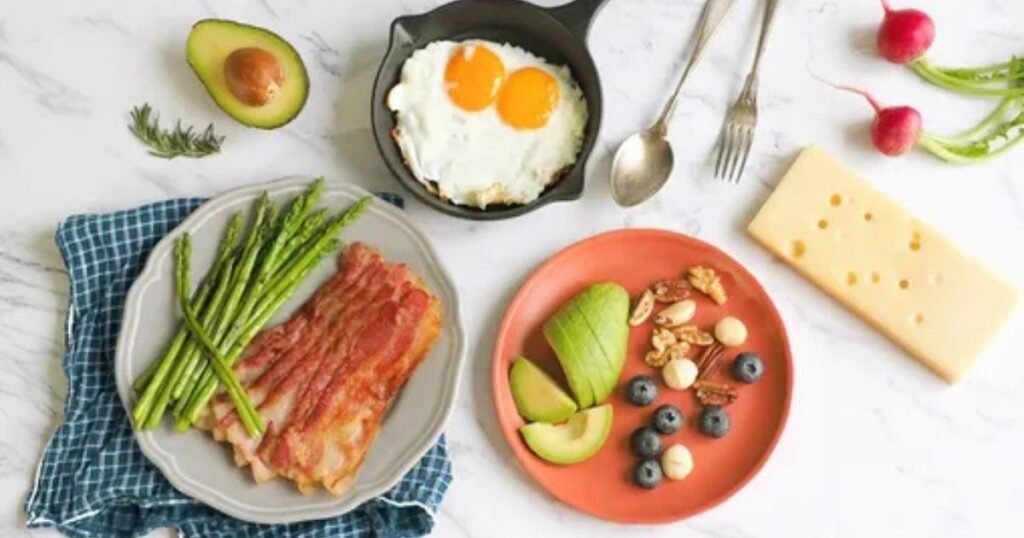
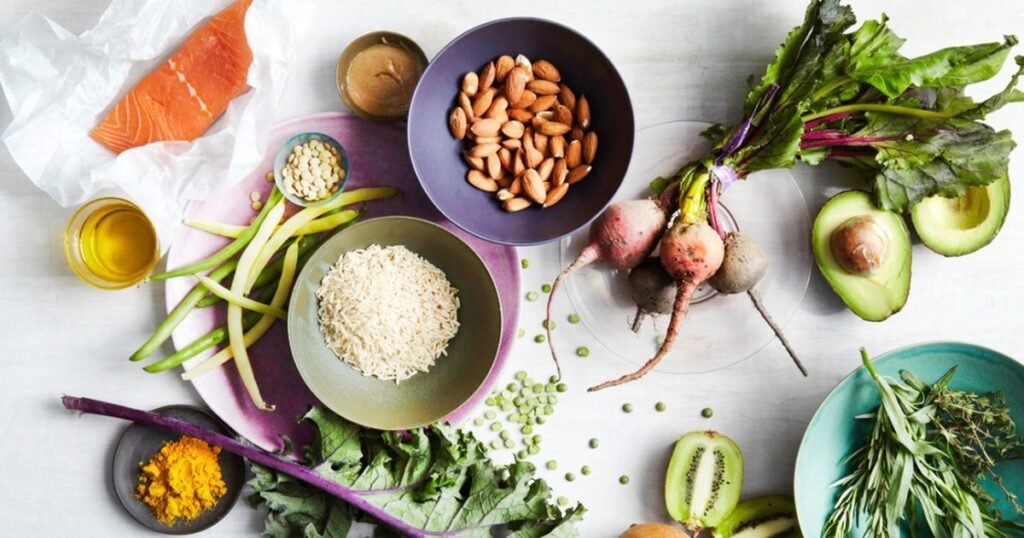
Why it helps: Avocados are rich in monounsaturated fats, fiber, and potassium — they curb appetite, stabilize blood sugar, and reduce water retention.
How to use: Keto DietAdd half an avocado to salads, blend into smoothies (low-carb), or mash as a side.
Expert tip: Avocado provides sustained energy without spiking insulin.
5.2 Salmon (and Fatty Fish)
Why it helps: High in protein and omega-3 fatty acids, salmon reduces inflammation and supports fat metabolism.
How to use: Grill or bake 2–3 servings weekly; add leafy greens and olive oil.
Evidence: Omega-3s improve insulin sensitivity (multiple clinical reviews).
5.3 Eggs
Why it helps: Complete protein plus healthy fats; eggs reduce post-meal hunger and boost thermic effect of food.
How to use: Eat boiled or scrambled with veggies for a balanced keto breakfast.
5.4 Olive Oil (Extra Virgin)
Why it helps: Rich in monounsaturated fats and polyphenols; helps with satiety and cardiovascular profile when used instead of refined oils.
How to use: Use as dressing or finishing oil—avoid heating past smoke point.
5.5 Nuts & Seeds (Almonds, Walnuts, Chia)
Why it helps: Provide healthy fats, fiber, and protein—promote fullness and steady energy.
How to use: Handful as snack, sprinkle chia in yogurt, add nuts to salads.
Caution: Watch portions—calorie dense.
5.6 Leafy Greens (Spinach, Kale)
Why it helps: Low in carbs, high in fiber and micronutrients; help digestion and provide volume to meals.
How to use: Large salads, sautéed sides, or blended into green smoothies.
5.7 Cheese & Full-Fat Dairy (Moderation)
Why it helps: Good source of fat and calcium; can reduce hunger.
How to use: Choose aged cheeses and plain Greek yogurt (in small portions).
Caution: Dairy can stall weight loss for some people—monitor tolerance.
5.8 Cauliflower (and Cruciferous Vegetables)
Why it helps: Low-carb substitute for rice and potatoes, adds fiber and micronutrients.
How to use: Cauliflower rice, mash, pizza crust; keeps meals satisfying.
5.9 Berries (In Moderation)
Why it helps: Lower-carb fruits high in antioxidants and fiber; useful for improving satiety and micronutrient intake.
How to use: Small servings (½ cup) with full-fat yogurt or as dessert.
5.10 MCT Oil / Coconut Oil
Why it helps: Medium-chain triglycerides (MCTs) are rapidly absorbed and can increase ketone production and energy.
How to use: Add 1 tsp to coffee (bulletproof style) or smoothies; start low to avoid GI upset.
Comparison Table: Nutrients & Best Use
| Food | Main Benefit | Typical Serving | Best Use in Keto Meals |
| Avocado | Healthy fats + fiber | ½ fruit | Salad, smoothie, toast alternative |
| Salmon | Omega-3s, protein | 100–150 g | Main course, salads |
| Eggs | Protein + fat | 2 eggs | Breakfast, snacks |
| Olive Oil | MUFAs, polyphenols | 1–2 tbsp | Dressings, finishing oil |
| Nuts & Seeds | Fat + fiber | 20–30 g | Snacks, toppings |
| Leafy Greens | Micronutrients, fiber | 1–2 cups | Salads, sides |
| Cheese | Fat + calcium | 30 g | Snacks, salads |
| Cauliflower | Low-carb substitute | 1 cup | Rice, mash, crusts |
| Berries | Antioxidants + fiber | ½ cup | Snacks, yogurt top |
| MCT Oil | Quick ketone boost | 1 tsp | Coffee, smoothies |
Keto Diet Plan — Sample 3-Day Keto Meals
Day 1
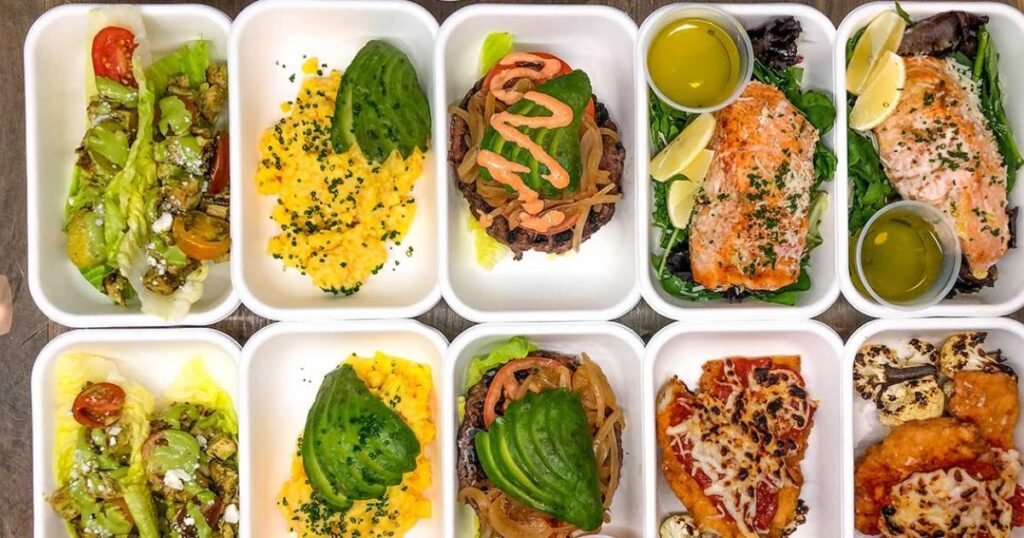
- Breakfast: Scrambled eggs with spinach and avocado.
- Lunch: Salmon salad with olive oil dressing.
- Snack: Handful of almonds.
- Dinner: Cauliflower mash with grilled chicken.
Day 2
- Breakfast: Greek yogurt (small) with chia seeds and raspberries.
- Lunch: Tuna salad on leafy greens with olive oil.
- Snack: Cheese cubes + cucumber.
- Dinner: Zucchini noodles with pesto and shrimp.
Day 3
- Breakfast: Bulletproof coffee (coffee + 1 tsp MCT oil) + boiled egg.
- Lunch: Cauliflower rice stir-fry with eggs and broccoli.
- Snack: Walnuts.
- Dinner: Baked salmon with sautéed kale.
Pros & Cons of Keto Diet Foods
Pros
- Rapid initial weight loss & appetite control.
- Improved blood sugar regulation for many people.
- High satiety from fats and proteins.
Cons
- Can be restrictive—hard to maintain for some.
- Potential micronutrient gaps (needs well-planned veg & supplements).
- Initial side effects: “keto flu,” digestive changes.
Key Takeaways
- Incorporate high-quality fats (avocado, olive oil), fatty fish, eggs, and fiber-rich veggies.
- Portion control is essential—keto foods can be calorie dense.
- Use MCTs strategically and monitor tolerance.
- Personalize: track energy, sleep, digestion, and ketone levels if possible.
- Consult a healthcare provider for medical conditions or medication interactions.
Expert Nutrition Tips & Safety Notes
- Aim for adequate electrolytes (sodium, potassium, magnesium) during adaptation.
- Prioritize whole foods over processed keto snacks.
- Monitor blood lipids and kidney function if following long term.
- For students and educators: combine nutrition learning with meal planning exercises to sustain habits.
Trust statement: Content grounded in peer-reviewed nutrition research summaries (see references) and clinical guidance from recognized bodies (NIH/PubMed summaries). This is educational content and not individualized medical advice.
Conclusion
A focused Keto Diet built around nutrient-dense foods—avocado, fatty fish, eggs, extra virgin olive oil, nuts, leafy greens, and smart fiber sources like cauliflower—supports faster weight loss by increasing satiety, improving fat oxidation, and stabilizing blood sugar. Personalization, electrolyte attention, and whole-food choices make keto both effective and sustainable for many learners and busy professionals. Use the sample meal ideas, monitor your body, and consult a professional when needed.
For better overall health while following a Keto Diet, you can also check out Foods Inflammation Remedies, jahan par aap inflammation-reducing foods ke baare mein simple aur effective tips dekh sakte hain.
FAQs
Q: What is the best food to start a keto diet with?
A: Start with whole foods you tolerate—eggs, leafy greens, olive oil, and a fatty fish or avocado — they’re easy, nutritious, and help you feel full.
Q: Can I eat fruit on keto?
Yes, but choose low-sugar fruits like berries in small portions (½ cup) to keep carbs low.
Q: Will keto foods make me lose belly fat specifically?
Keto helps reduce overall body fat; because insulin drops and fat oxidation increases, many people see reduced abdominal fat—results vary with calorie balance and activity.
Q: Is MCT oil safe?
A: Generally yes in small amounts; start with ½–1 tsp to test tolerance and avoid GI upset.
Q: How long until I see weight loss on a keto diet?
Many see rapid initial loss (water + glycogen) in 1–2 weeks; sustained fat loss usually becomes clear by 4–12 weeks with consistent diet and activity.
0 Comments