

Top 10 Foods That Naturally Improve Eye Health foods
Your eyes are one of your most valuable senses, yet many of us take them for granted. With increasing screen time, poor diets, and environmental stressors, maintaining healthy vision has never been more important. The good news? You don’t need expensive supplements or complicated routines — nature has already provided powerful solutions.
Eye health foods are packed with essential vitamins, antioxidants, and nutrients that help protect your vision, reduce eye strain, and even support long-term eye function. From vibrant vegetables to nutrient-rich seeds, the foods you choose daily can make a significant difference in keeping your eyes healthy.
In this guide, we’ll explore the top 10 foods for eye health, explain why they work, and show you practical ways to incorporate them into your diet. Whether you want to improve night vision, fight oxidative stress, or prevent age-related eye issues, these natural foods are a must-have for your daily nutrition.
Why Eye Health Matters

Our eyes are more than just windows to the world — they are complex organs that play a crucial role in daily life, learning, and overall well-being. Maintaining good foods for eye health , is essential not only for clear vision but also for preventing long-term issues like cataracts, macular degeneration, and chronic eye strain.
1. Protects Against Age-Related Conditions
As we age, the risk of eye disorders increases. Nutrient-rich foods help slow down the progression of diseases such as glaucoma, cataracts, and age-related macular degeneration (AMD). Vitamins like A, C, and E, along with minerals like zinc, play key roles in protecting retinal cells from oxidative damage.
2. Reduces Eye Strain
Extended screen time, poor lighting, and unhealthy diets can cause digital eye strain, leading to headaches, blurred vision, and fatigue. Consuming eye health foods with antioxidants and omega-3 fatty acids supports healthy eye tissues and reduces discomfort.
3. Enhances Vision Performance
Certain nutrients improve night vision, contrast sensitivity, and overall visual clarity. For example, beta-carotene, lutein, and zeaxanthin help filter harmful blue light and improve retinal function.
4. Supports Overall Health
Healthy eyes reflect overall well-being. Nutrients that benefit the eyes often improve cardiovascular health, immunity, and brain function, making eye-friendly foods a cornerstone of holistic wellness.
Expert Insight: Studies show that diets rich in colorful vegetables, fatty fish, and nuts can significantly reduce the risk of age-related vision loss. Incorporating these foods daily ensures your eyes stay strong, sharp, and resilient.
Top 10 Eye Health Foods
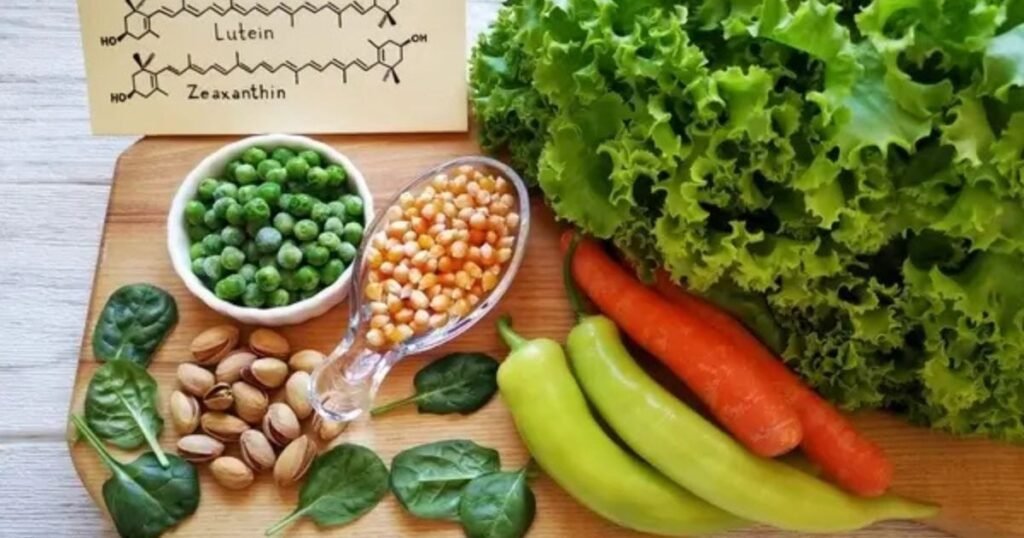
Eating the right foods can dramatically improve your vision and protect your eyes from long-term damage. These eye health foods are rich in essential vitamins, antioxidants, and nutrients that support healthy foods for eyesight, reduce eye strain, and maintain retinal health.
3.1 Carrots
Carrots are a classic eye-friendly food because they are loaded with beta-carotene, a precursor to Vitamin A. Vitamin A is crucial for maintaining good night vision and overall eye function.
How to Use:
- Eat raw as snacks or in salads.
- Steam lightly to retain nutrients.
- Add to smoothies for a vitamin boost.
3.2 Spinach
Spinach contains lutein and zeaxanthin, powerful antioxidants that protect your eyes from harmful blue light and oxidative damage. These nutrients can help prevent macular degeneration and cataracts.
How to Use:
- Include in salads, omelets, or green smoothies.
- Lightly sauté with olive oil to improve nutrient absorption.
3.3 Salmon
Salmon is rich in omega-3 fatty acids, which help prevent dry eyes and support retinal function. Omega-3s also reduce inflammation in the eyes, which is vital for long-term vision health.
How to Use:
- Bake, grill, or poach salmon 2–3 times per week.
- Pair with leafy greens for a nutrient-packed meal.
3.4 Eggs
Eggs are a powerhouse for eye health, providing lutein, zeaxanthin, and zinc. These nutrients help reduce the risk of age-related macular degeneration and support healthy retinal function.
How to Use:
- Boil, poach, or scramble eggs with vegetables.
- Add to salads for an eye-boosting lunch.
3.5 Blueberries
Blueberries are loaded with antioxidants that fight oxidative stress, which can damage the eyes over time. They also support blood circulation, improving oxygen supply to ocular tissues.
How to Use:
- Eat fresh as a snack or in yogurt bowls.
- Blend into smoothies for a daily antioxidant boost.
3.6 Sweet Potatoes
Sweet potatoes are high in beta-carotene and Vitamin C, both essential for retinal health and preventing night blindness. They also support overall immunity.
How to Use:
- Roast, steam, or mash as a side dish.
- Combine with a small amount of healthy fat to improve nutrient absorption.
3.7 Almonds
Almonds provide Vitamin E, an antioxidant that protects eyes from free radical damage and age-related decline. They also support healthy blood vessels in the eyes.
How to Use:
- Eat a small handful daily as a snack.
- Add chopped almonds to oatmeal or salads.
3.8 Bell Peppers
Bell peppers are rich in Vitamin C and carotenoids, helping maintain blood vessel health in the eyes and reducing the risk of cataracts.
How to Use:
- Eat raw in salads or as snacks.
- Stir-fry lightly with other vegetables.
3.9 Citrus Fruits
Oranges, lemons, and grapefruits are excellent sources of Vitamin C and flavonoids, which protect eye tissues and prevent cataracts.
How to Use:
- Include a serving of fresh citrus in breakfast or snacks.
- Drink freshly squeezed juice for a nutrient boost.
3.10 Pumpkin Seeds
Pumpkin seeds are high in zinc, which supports night vision and overall eye function. Zinc also works with antioxidants to reduce age-related eye degeneration.
How to Use:
- Eat raw or lightly roasted as a snack.
- Sprinkle on salads, oatmeal, or yogurt for added nutrition.
Comparison Table: Key Nutrients for Eyes
To make it easy to see which foods are best for specific eye benefits, here’s a quick comparison of the top 10 eye health foods and the nutrients they provide:
| Food | Key Nutrients | Primary Eye Benefit | Best Way to Eat |
| Carrots | Beta-carotene, Vitamin A | Supports night vision and retina health | Raw, steamed, or in smoothies |
| Spinach | Lutein, Zeaxanthin | Protects against oxidative damage | Salads, omelets, smoothies |
| Salmon | Omega-3 fatty acids | Reduces dry eyes and inflammation | Grilled, baked, or poached |
| Eggs | Lutein, Zeaxanthin, Zinc | Supports retinal function, prevents AMD | Boiled, poached, scrambled |
| Blueberries | Antioxidants, flavonoids | Fights oxidative stress | Fresh, in yogurt, or smoothies |
| Sweet Potatoes | Beta-carotene, Vitamin C | Improves retinal health and immunity | Roasted, steamed, mashed |
| Almonds | Vitamin E | Protects from free radical damage | Snack or salad topping |
| Bell Peppers | Vitamin C, carotenoids | Maintains blood vessel health in eyes | Raw, stir-fried, roasted |
| Citrus Fruits | Vitamin C, flavonoids | Prevents cataracts | Fresh or juiced |
| Pumpkin Seeds | Zinc | Supports night vision and overall eye function | Raw or lightly roasted, added to meals |
Pros & Cons of Focusing on Eye-Healthy Foods

Eating a diet rich in eye health foods can significantly improve vision and overall wellness, but like any approach, it comes with advantages and potential drawbacks.
Pros
- Natural and Safe
Whole foods provide essential nutrients without the side effects of supplements or medications. - Supports Long-Term Eye Health
Nutrients like lutein, zeaxanthin, and omega-3 fatty acids protect eyes from oxidative stress and age-related conditions. - Boosts Overall Wellness
Many eye-friendly foods also support immunity, brain health, and cardiovascular function. - Easy to Incorporate Daily
Fruits, vegetables, nuts, and fish are widely available and simple to add to meals. - Cost-Effective
Compared to medical treatments or eye supplements, focusing on foods is more affordable.
Cons
- Slower Results
Improvements in vision health may take weeks or months, unlike quick fixes. - Requires Consistency
Skipping eye-healthy foods or relying on processed meals reduces effectiveness. - Not a Complete Solution Alone
Proper vision care, screen breaks, eye exercises, and regular check-ups are still essential. - Portion Awareness Needed
If consumed in excess, even healthful meals can lead to weight gain.
Expert Tip: Combine a nutrient-rich diet with healthy habits like proper hydration, limited screen time, and regular eye check-ups for the best results.
Expert Tips to Maximize Eye Health Naturally

Eating the right foods is just the beginning. Incorporating smart habits alongside eye health foods can significantly enhance vision and reduce the risk of long-term eye problems. Here are expert-backed tips to keep your eyes healthy naturally:
1. Include a Variety of Nutrient-Rich Foods
Don’t rely on just one “superfood.” Combine vegetables, fruits, nuts, seeds, and fatty fish to get a full spectrum of vitamins and antioxidants essential for vision.
2. Prioritize Vitamins for Eye Health
Focus on nutrients like Vitamin A, C, E, zinc, lutein, and zeaxanthin. They protect retinal cells, improve night vision, and help prevent age-related eye conditions.
3. Stay Hydrated
Proper hydration reduces dry eyes and helps the eye tissues function optimally. Drink at least 8–10 glasses of water daily, and consider adding herbal teas like green tea for extra antioxidants.
4. Protect Eyes from Blue Light & UV Exposure
Limit screen time when possible, use blue light filters on devices, and wear sunglasses outdoors to prevent retinal stress and oxidative damage.
5. Practice Good Eye Hygiene
Take regular breaks from screens (20-20-20 rule: every 20 minutes, look at something 20 feet away for 20 seconds), avoid rubbing your eyes, and maintain clean hands to reduce irritation or infection risk.
6. Regular Eye Check-Ups
Even with a healthy diet, regular eye exams are crucial for detecting issues like glaucoma or early macular degeneration. Early detection ensures timely intervention.
7. Combine Diet with Lifestyle Habits
Regular physical activity improves blood circulation, which supports healthy eyes. Adequate sleep also allows eyes to repair and refresh daily.
Key Takeaways
- Eat a Variety of Eye Health Foods: Include carrots, spinach, salmon, eggs, berries, sweet potatoes, almonds, bell peppers, citrus fruits, and pumpkin seeds daily or weekly.
- Prioritize Essential Vitamins: Focus on Vitamin A, C, E, zinc, lutein, and zeaxanthin to support retinal health and prevent age-related vision issues.
- Hydration Matters: Drink enough water and consider antioxidant-rich teas to reduce eye strain and dryness.
- Protect Your Eyes: Limit screen time, use blue-light filters, and wear sunglasses outdoors.
- Lifestyle Supports Nutrition: Regular exercise, quality sleep, and consistent
Conclusion
Maintaining healthy vision doesn’t have to be complicated or expensive. By including eye health foods such as carrots, spinach, salmon, eggs, berries, and almonds in your daily diet, you can support your eyes with essential vitamins and antioxidants that protect against oxidative stress, reduce eye strain, and prevent age-related vision issues.
Remember, diet alone is not enough — pairing these nutrient-rich foods with healthy lifestyle habits like regular exercise, proper hydration, screen breaks, and consistent eye check-ups maximizes results. The key is consistency and balance. Small daily choices, like adding a handful of nuts or a serving of leafy greens, can have a significant long-term impact on your eye health.
By nourishing your eyes naturally, you not only enhance your vision but also support overall wellness, helping you see clearly and live confidently for years to come.
To support your eye health naturally, you can also check out Foods Inflammation Remedies, jahan par tum aise healthy foods aur anti-inflammatory tips dekh sakte ho jo overall body and eye wellness ko boost karte hain.
FAQ
1. Which meals are best for eye health?
The top eye health foods include carrots, spinach, salmon, eggs, blueberries, sweet potatoes, almonds, bell peppers, citrus fruits, and pumpkin seeds. These foods provide essential vitamins and antioxidants that protect vision and reduce eye strain.
2. Which vitamins are essential for healthy eyes?
Vitamins A, C, E, and minerals like zinc, along with antioxidants like lutein and zeaxanthin, are crucial for maintaining healthy eyes, preventing age-related macular degeneration, and supporting retinal function.
3. Can eating these foods improve eyesight?
While these foods cannot correct vision problems like nearsightedness, they strengthen eye health, improve night vision, reduce oxidative stress, and lower the risk of long-term eye conditions.
4. How often should I eat eye-friendly foods?
For maximum benefits, incorporate a variety of foods for eye health daily or at least several times per week to ensure consistent intake of essential nutrients.
5. Are there any risks associated with consuming too many eye health foods?
Generally, these foods are safe. However, excessive consumption of beta-carotene-rich foods like carrots may slightly tint the skin orange. Moderation is key, and balance with other nutrients is recommended.
0 Comments