
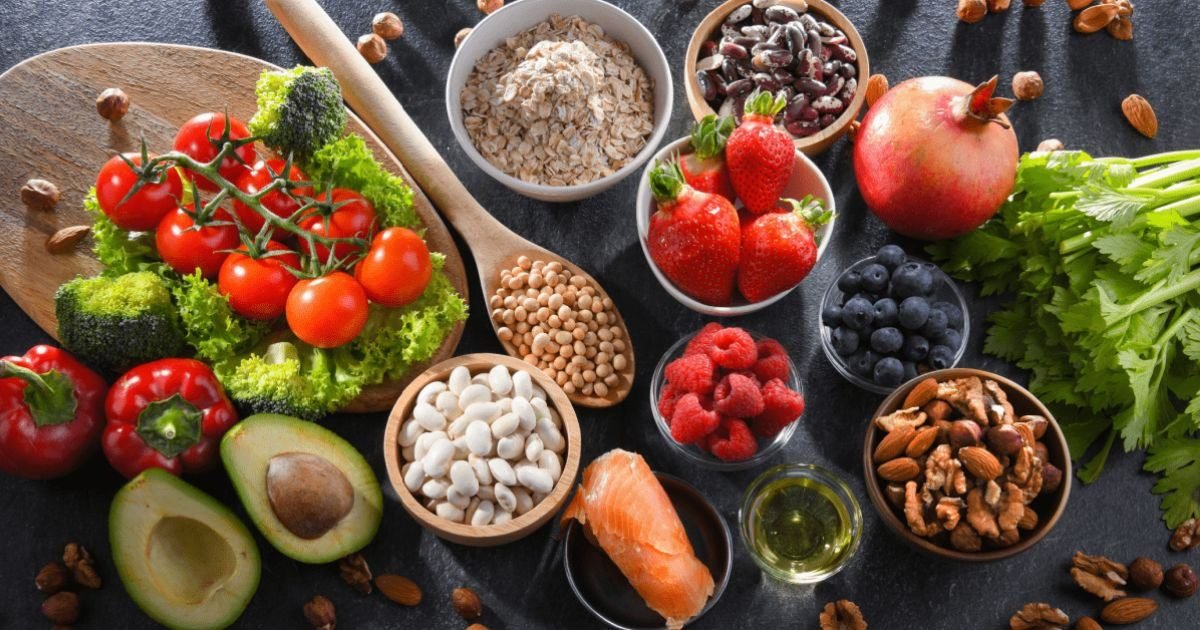
10 Heart-Healthy Foods to Eat to Lower Cholesterol Naturally
High cholesterol is often called a “silent killer” because it can quietly increase your risk of heart disease without obvious symptoms. But the good news? You don’t always need medications to manage it. By choosing the right foods to eat to lower cholesterol, you can naturally reduce harmful LDL levels, boost your HDL, and support overall heart health. Small, daily dietary changes can make a huge difference over time, improving your cardiovascular health and helping you feel more energetic.
In this guide, we’ll explore 10 heart-healthy Foods to Eat to Lower Cholesterol scientifically proven to help lower cholesterol, along with tips, meal ideas, and expert advice to make it easy to incorporate them into your daily routine.
Why Cholesterol Matters

Understanding cholesterol is essential for maintaining a healthy heart and preventing long-term cardiovascular problems. Cholesterol isn’t inherently bad — in fact, your body needs it for hormone production, cell structure, and digestion. However, imbalances in cholesterol lowering diet levels can increase the risk of serious health issues.
LDL vs HDL — Understanding “Good” and “Bad” Cholesterol
Cholesterol travels through your bloodstream in different forms.
- LDL (Low-Density Lipoprotein) is often called “bad” cholesterol lowering diet because high levels can lead to plaque buildup in arteries, increasing the risk of heart disease and stroke.
- HDL (High-Density Lipoprotein) is the “good” cholesterol lowering diet that helps remove excess LDL from your bloodstream, protecting your heart and improving overall lipid balance.
Maintaining a balance between LDL and HDL is key to heart health.
Health Risks of High Cholesterol
High cholesterol, especially elevated LDL, can silently damage your arteries over time. Potential risks include:
- Increased risk of heart attacks and stroke
- Atherosclerosis — hardening and narrowing of arteries
- Reduced blood flow to limbs due to peripheral artery disease
- Coronary artery disease — leading to chest pain and fatigue
Fortunately, adopting a cholesterol-lowering diet with heart-healthy Foods to Eat to Lower Cholesterol to reduce LDL level scan significantly reduce these risks.
How Diet Affects Cholesterol
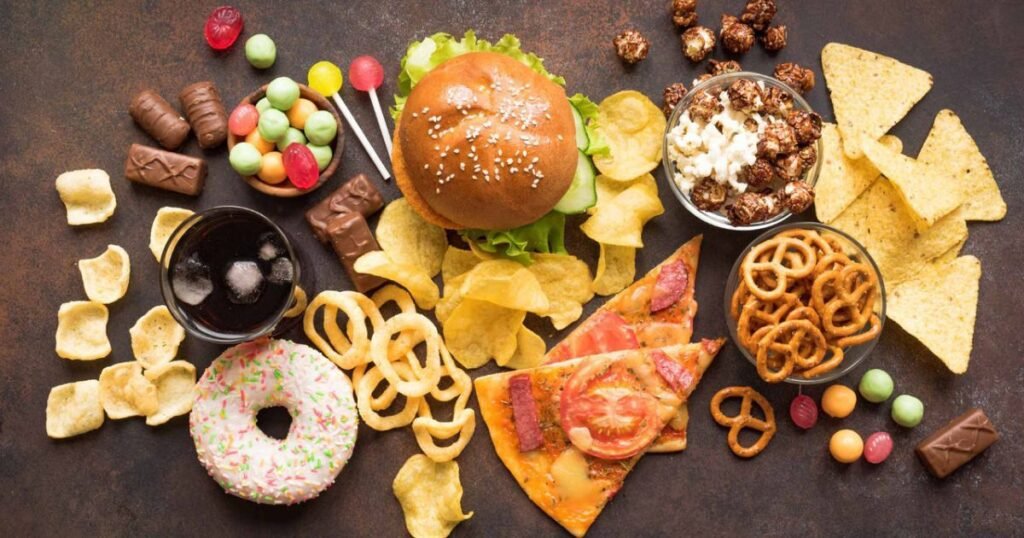
Our cholesterol levels are directly impacted by what you eat.. Certain Foods to Eat to Lower Cholesterolcan help lower harmful LDL cholesterol, boost protective HDL cholesterol, and reduce the risk of cardiovascular disease. Understanding how diet affects cholesterol helps you make smarter, heart-friendly choices.
Mechanisms: How Foods Lower LDL and Improve HDL
Different Foods to Eat to Lower Cholesterol influence cholesterol through multiple mechanisms:
- Blocking absorption of cholesterol: Some Foods to Eat to Lower Cholesterol, like oats and legumes, contain soluble fiber that binds cholesterol in the gut and removes it from the body.
- Reducing cholesterol production in the liver: Plant sterols and certain antioxidants help your liver produce less LDL cholesterol naturally.
- Increasing HDL levels: Foods to Eat to Lower Cholesterol to reduce LDL levelsrich in monounsaturated and polyunsaturated fats, such as olive oil, nuts, and fatty fish, help raise HDL, which removes excess cholesterol from arteries.
- Improving lipid metabolism: Nutrient-dense foods, like berries and green tea, can improve the efficiency of your body’s cholesterol metabolism over time.
Role of Fiber, Plant Sterols, and Omega-3s
Incorporating key nutrients is critical for managing cholesterol:
- Fiber: Soluble fiber found in oats, legumes, and fruits binds LDL cholesterol and promotes its excretion. It also supports healthy digestion.
- Plant Sterols: Naturally present in nuts, seeds, and vegetable oils, plant sterols reduce cholesterol absorption in the intestines, lowering LDL effectively.
- Omega-3 Fatty Acids: Found in fatty fish like salmon, chia seeds, and walnuts, omega-3s help reduce triglycerides, improve HDL levels, and protect heart health.
These dietary strategies make up a cholesterol-lowering diet that is both natural and sustainable.
Top 10 Foods to Eat to Lower Cholesterol Naturally
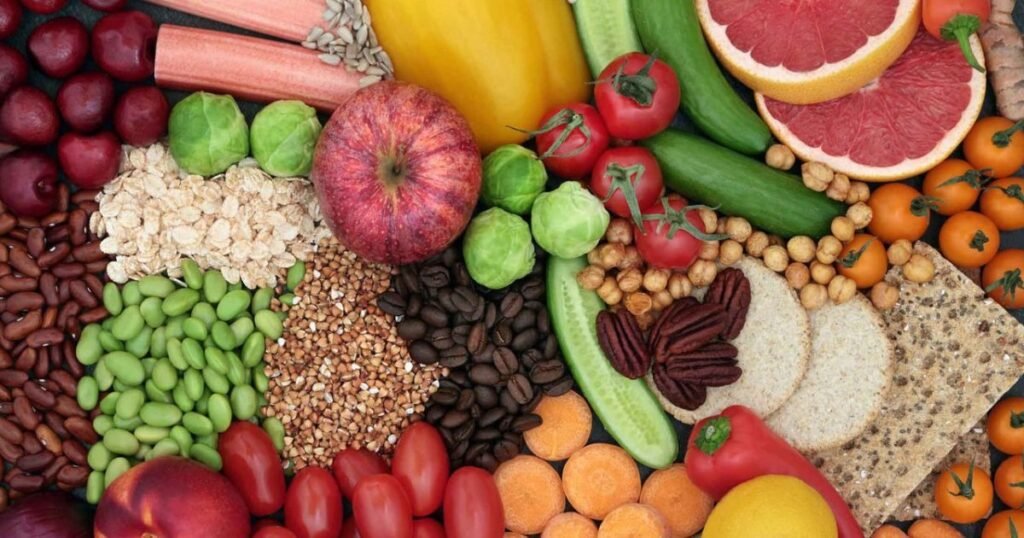
Eating the right Foods to Eat to Lower Cholesterol can naturally reduce LDL cholesterol, boost HDL, and support overall heart health. Here are 10 of the most effective options to include in your daily diet.
Oats — Beta-Glucan for LDL Reduction
Oats are rich in soluble fiber, specifically beta-glucan, which binds cholesterol in the gut and helps remove it from the body. Studies show that consuming 3 grams of soluble fiber daily can reduce LDL by up to 5–10%.
Serving Tips:
- Start your day with a bowl of steel-cut oats topped with berries.
- Add oats to smoothies or use them as a base for healthy baked goods.
Fatty Fish (Salmon) — Omega-3s for Heart Health
Salmon and other fatty fish like mackerel or sardines are loaded with omega-3 fatty acids, which lower triglycerides, reduce inflammation, and improve HDL cholesterol.
Serving Tips:
- Eat 2–3 servings of fatty fish per week.
- Bake or grill salmon with olive oil and herbs for a heart-healthy meal.
Nuts (Walnuts & Almonds): Satiety & Healthy Fatsy
Almonds and walnuts contain monounsaturated and polyunsaturated fats that improve HDL while reducing LDL. They also provide protein and fiber, which help you feel full and reduce overeating.
Serving Tips:
- Snack on a small handful (about 1 oz) daily.
- Add crushed nuts to oatmeal or salads for added crunch.
Legumes (Beans, Lentils) — Fiber and Protein
Legumes are a powerhouse of soluble fiber and plant-based protein. They lower LDL by binding cholesterol in the digestive system and stabilizing blood sugar.
Serving Tips:
- Include beans or lentils in soups, stews, or salads.
- Replace red meat with legumes 2–3 times per week.
Olive Oil — Monounsaturated Fats to Boost HDL
Extra virgin olive oil is rich in monounsaturated fats that raise HDL (“good” cholesterol) and protect arteries from inflammation.
Serving Tips:
- Use olive oil as your primary cooking fat.
- Drizzle over salads or roasted vegetables instead of butter.
Avocado — Heart-Healthy Fats & Fiber
Avocados provide monounsaturated fats and soluble fiber, both essential for cholesterol management. Research indicates that avocado consumption can lower LDL and triglycerides.
Serving Tips:
- Add sliced avocado to sandwiches, salads, or smoothies.
- Mash avocado with lemon juice for a healthy spread.
Berries — Antioxidants to Reduce Oxidative Stress
Blueberries, strawberries, and raspberries are loaded with antioxidants, such as flavonoids, which protect arteries and reduce LDL oxidation.
Serving Tips:
- Foods to Eat to Lower Cholesterol a cup of mixed berries as a snack or breakfast topping.
- Blend into smoothies or mix with Greek yogurt.
Green Tea — Catechins for Cholesterol Management
Green tea contains catechins, powerful antioxidants that can reduce LDL and improve blood lipid profiles. Regular consumption is linked to lower heart disease risk.
Serving Tips:
- Drink 2–3 cups of green tea daily.
- Avoid adding sugar; use lemon or mint for flavor.
Soy Products (Tofu, Edamame) — Plant Proteins & Isoflavones
Soy contains isoflavones, which can reduce LDL cholesterol and improve endothelial function. Incorporating soy as a protein source is effective in cholesterol management.
Serving Tips:
- Swap tofu for meat in stir-fries.
- Snack on steamed edamame for protein and fiber.
Leafy Greens (Spinach, Kale) — Vitamins & Phytochemicals
Leafy greens are high in fiber, vitamins, and plant phytochemicals that help reduce cholesterol absorption and protect your heart.
Serving Tips:
- Include at least 2 cups of leafy greens daily.
- Use in salads, smoothies, or lightly sautéed as a side dish.
Quick Comparison Table: Heart-Healthy Foods
| Food | Key Nutrients | Benefits | Best Serving Suggestions |
| Oats | Soluble fiber (beta-glucan) | Reduces LDL, improves digestion | Breakfast porridge, smoothies, overnight oats |
| Fatty Fish (Salmon) | Omega-3 fatty acids, protein | Lowers triglycerides, boosts HDL | Grilled, baked, or in salads 2–3x/week |
| Nuts (Almonds & Walnuts) | MUFAs, PUFAs, fiber, protein | Improves HDL, reduces LDL, satiety | Snack handful daily, added to oatmeal/salads |
| Legumes (Beans, Lentils) | Soluble fiber, plant protein | Lowers LDL, stabilizes blood sugar | Soups, stews, salads, meat substitutes |
| Olive Oil | Monounsaturated fats, antioxidants | Boosts HDL, reduces inflammation | Drizzle over salads, sauté veggies |
| Avocado | MUFAs, soluble fiber, potassium | Reduces LDL, supports heart health | Sandwiches, salads, mashed spreads |
| Berries | Antioxidants, flavonoids, fiber | Reduces oxidative stress, protects arteries | Smoothies, yogurt topping, snack |
| Green Tea | Catechins, antioxidants | Lowers LDL, improves lipid metabolism | 2–3 cups daily, no sugar, optional lemon |
| Soy Products (Tofu, Edamame) | Plant protein, isoflavones | Reduces LDL, improves endothelial function | Stir-fries, snacks, meat alternatives |
| Leafy Greens (Spinach, Kale) | Fiber, vitamins, phytochemicals | Protects arteries, lowers cholesterol absorption | Salads, smoothies, lightly sautéed |
Pros & Cons of a Cholesterol-Lowering Diet
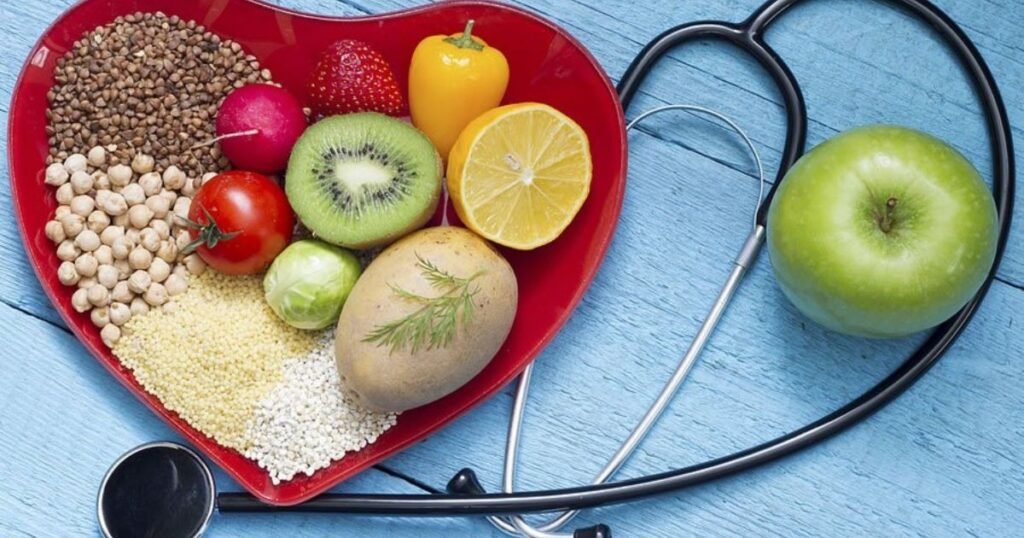
Adopting a diet focused on reducing cholesterol offers numerous benefits, but it’s important to understand both the advantages and potential limitations. Here’s a quick breakdown:
Pros
- Improves Heart Health: Lowers LDL (“bad” cholesterol) and raises HDL (“good” cholesterol), reducing the risk of heart disease and stroke.
- Supports Weight Management: Many cholesterol-lowering Foods to Eat to Lower Cholesterol that improve HDL, such as fruits, vegetables, and legumes, are high in fiber and low in calories, helping maintain a healthy weight.
- Reduces Inflammation: Omega-3-rich foods like salmon and walnuts help reduce inflammation in the arteries.
- Enhances Digestion: Fiber-rich foods that improve HDL improve gut health and promote regular bowel movements.
- Boosts Overall Wellness: Nutrient-dense foods provide vitamins, minerals, and antioxidants that support overall health and longevity.
Cons
- Requires Planning: Following a heart-healthy, cholesterol-lowering diet may require meal prep and careful Foods to Eat to Lower Cholesterolchoices.
- Potential for Nutrient Gaps: Avoiding certain high-cholesterol Foods to Eat to Lower Cholesterol without proper substitutions could lead to insufficient intake of essential nutrients like vitamin B12 or iron.
- Lifestyle Commitment: Long-term benefits require consistent adherence, not just short-term dietary changes.
- Taste Adjustments: Some may find it challenging to replace familiar high-fat, processed foods with healthier alternatives initially.
Sample 3-Day Heart-Healthy Meal Plan
Following a structured meal plan can make it easier to consistently include foods to eat to lower cholesterol in your diet. Here’s a simple, balanced 3-day plan packed with heart-healthy nutrients.
Day 1
Breakfast:
- Steel-cut oats with blueberries, chia seeds, and a drizzle of honey
- Green tea
Snack:
- A small handful of almonds
Lunch:
- Quinoa salad with spinach, cherry tomatoes, avocado, and olive oil dressing
- Steamed edamame
Snack:
- Greek yogurt with strawberries
Dinner:
- Grilled salmon with roasted Brussels sprouts and carrots
- Side of brown rice
Day 2
Breakfast:
- Whole-grain toast with mashed avocado and sliced tomato
- Green tea
Snack:
- Walnuts (1 oz)
Lunch:
- Lentil soup with mixed vegetables
- Side salad with olive oil and lemon dressing
Snack:
- Apple slices with almond butter
Dinner:
- Tofu stir-fry with broccoli, bell peppers, and kale
- Quinoa or brown rice
Day 3
Breakfast:
- Smoothie with spinach, berries, chia seeds, and soy milk
- Green tea
Snack:
- Edamame or a small handful of mixed nuts
Lunch:
- Vegetable and chickpea salad dressed with lemon and olive oil
- Whole-grain crackers
Snack:
- Carrot sticks with hummus
Dinner:
- Baked mackerel with roasted sweet potatoes and steamed kale
- Side of brown rice or whole-grain couscous
Expert Tips for Maximizing Cholesterol Reduction

While eating the right Foods to Eat to Lower Cholesterol is crucial, combining dietary changes with smart lifestyle habits can significantly enhance your results. Here are expert-recommended strategies:
1. Prioritize Consistent Portion Control
If quantities are excessively big, even nutritious Foods to Eat to Lower Cholesterol can lead to weight gain.
- Use smaller plates to naturally limit portions.
- Track serving sizes of nuts, oils, and grains, which are calorie-dense.
- Meals should be balanced with nutritious grains, lean meats, and veggies.
2. Stay Physically Active
Regular exercise helps boost HDL (“good” cholesterol) and improves heart health.
- Aim for 150 minutes of moderate-intensity exercise per week (walking, swimming, cycling).
- Include strength training twice a week to improve metabolism and maintain lean muscle.
3. Prioritize Hydration
Water supports digestion and metabolism, aiding your body in processing cholesterol efficiently.
- Drink at least 8–10 glasses of water daily.
- Green tea or herbal teas can provide additional antioxidants.
4. Limit Processed Foods and Added Sugars
- Reduce consumption of refined carbs, fried Foods to Eat to Lower Cholesterols, and sugary beverages.
- Replace with whole foods like fruits, vegetables, and whole grains.
5. Mindful Eating Habits
- To avoid overindulging, eat gently and pay attention to hunger signals
- Include fiber-rich foods in every meal to maintain satiety and support cholesterol reduction.
Conclusion
Lowering cholesterol naturally doesn’t have to be complicated. By incorporating these 10 heart-healthy foods to eat to lower cholesterol, you can reduce LDL, boost HDL, and support long-term heart health. From fiber-rich oats and legumes to omega-3-packed fatty fish and antioxidant-loaded berries, every food on this list provides unique benefits backed by research.
Consistency is key. Pair these dietary changes with smart lifestyle habits like regular exercise, portion control, and proper hydration to maximize results. Remember, small, daily adjustments can lead to significant long-term improvements in your cardiovascular health.
Start adding these foods to your meals today, and take proactive steps toward a healthier heart — your body will thank you for years to come.
Maintaining a healthy diet is just one part of overall wellness. Learn more about how structured health initiatives at work can support your lifestyle through our Corporate Wellness Programs.
FAQ
1. What are the best foods to eat to lower cholesterol naturally?
Foods rich in soluble fiber, healthy fats, and antioxidants are most effective. Examples include oats, fatty fish (salmon), nuts, legumes, olive oil, avocado, berries, green tea, soy products, and leafy greens.
2. How long does it take to see results from a cholesterol-lowering diet?
Most people can notice improvements in LDL and HDL cholesterol levels within 4–6 weeks of consistently following a heart-healthy diet and lifestyle changes, though results may vary individually.
3. Can these foods replace cholesterol-lowering medications?
While these foods can significantly reduce cholesterol naturally, they are not a replacement for prescribed medication if your doctor recommends Always get medical advice before altering your treatment regimen.
4. How often should I eat these heart-healthy foods?
Aim to include at least 1–2 servings of each category daily or weekly. For example, consume fatty fish 2–3 times per week, nuts daily, and plenty of fruits, vegetables, and legumes each day.
5. Are there any side effects of eating these foods?
For most people, these foods are safe and beneficial. However, overconsumption of nuts or oils can add extra calories, and some individuals may have allergies (e.g., nuts or soy). Moderation is key.
0 Comments