
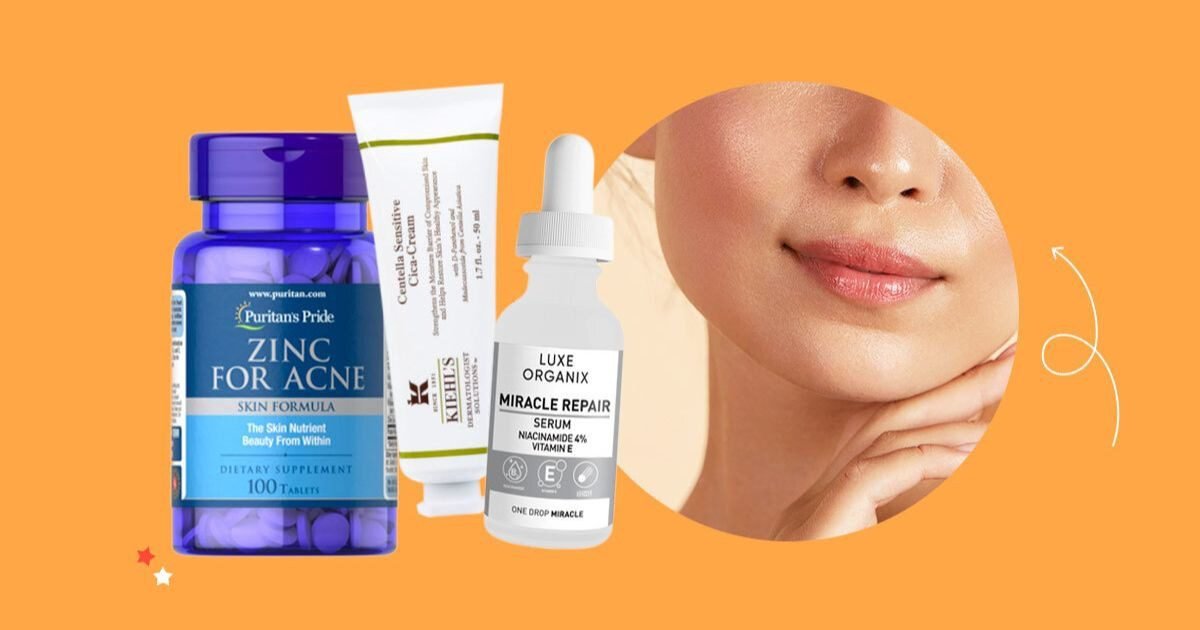
Top 10 Best Vitamins for Skin Glow Naturally
When it comes to radiant, healthy skin, few things are as powerful as the best vitamins for skin. The right vitamins don’t just improve your complexion — they help reduce inflammation, boost collagen, and enhance overall skin clarity and glow. Whether you struggle with dullness, dryness, or uneven tone, incorporating vitamin-rich foods and supplements can make a remarkable difference.
In this article, we’ll explore the top 10 vitamins that naturally improve your skin, including their benefits, food sources, dosage recommendations, and tips on how to use them effectively. By the end, you’ll have a complete guide to nourishing your skin from the inside out for a healthier, brighter, and more radiant appearance.
Why Vitamins Are Essential for Healthy Skin

Healthy, glowing skin isn’t just about creams or serums — it starts from with in vitamins for glowing skin play a crucial role in maintaining your skin’s structure, tone, and resilience. They help protect against environmental stress, promote repair, and keep your skin hydrated and radiant. Understanding how each vitamin works can help you make smarter choices for your skin health.
Role in Collagen Production
The protein that keeps your skin tight, lush, and youthful is called collagen..Best Vitamins for Skin like Vitamin C and Vitamin A are essential for collagen synthesis. Without enough of these vitamins for glowing skin your skin can lose elasticity, develop fine lines, and look dull. Including foods like citrus fruits, bell peppers, carrots, and sweet potatoes can naturally support collagen production.
Antioxidant Protection Against Damage
Your skin is constantly exposed to free radicals from pollution, UV rays, and stress.vitamins for glowing skin such as Vitamin E, Vitamin C, and Selenium act as antioxidants, neutralizing these harmful molecules and preventing premature aging, pigmentation, and inflammation. Regular intake of nuts, seeds, berries, and leafy greens can help shield your skin from oxidative stress.
Supporting Skin Repair & Hydration
Certain vitamins for clear skin are critical for repairing skin tissue and maintaining moisture. Vitamin B5 (Pantothenic Acid), Biotin (B7), and Best Vitamins for SkinD aid in healing, hydration, and maintaining the skin barrier. Adequate intake ensures that minor irritations, dryness, and skin damage heal faster and maintain a healthy glow.
Deficiency Symptoms to Watch For
Vitamin deficiencies often show up on your skin before anywhere else. Common signs include:
- Dry or flaky skin (Vitamin A & D deficiency)
- Dull complexion (Vitamin C & E deficiency)
- Redness, irritation, or acne-prone skin (B-vitamin deficiency)
- Slow wound healing (deficiency in zinc and vitamin C)
Early detection and correcting these deficiencies through diet or supplements can prevent long-term skin issues and improve overall appearance.
How Vitamins Improve Skin Glow
Achieving radiant, glowing skin isn’t just about what you put on your face — it’s about nourishing your skin from within. vitamins for clear Best Vitamins for Skin play a pivotal role in boosting radiance, reducing inflammation, and improving overall skin texture. Here’s how they work:
Boosting Radiance & Brightness
Vitamins like Vitamin C and Vitamin E help your skin appear brighter and more luminous. They promote collagen synthesis, reduce pigmentation, and protect against environmental damage. Including foods such as oranges, strawberries, bell peppers, and almonds can naturally enhance your skin’s radiance. Regular intake not only improves skin glow but also helps maintain an even tone.
Reducing Inflammation & Redness
Chronic inflammation can lead to redness, acne, and skin sensitivity vitamins for clear skin like Niacinamide (Vitamin B3), Vitamin D, and Zinc are powerful anti-inflammatory agents. They help calm irritated skin, reduce acne flare-ups, and minimize redness. Foods like leafy greens, fatty fish, and whole grains can provide these essential nutrients.
Enhancing Skin Clarity & Texture
Vitamins such as Vitamin A (Retinol) and Biotin (Vitamin B7) improve cell turnover, unclog pores, and promote smoother skin. This results in clearer, softer, and more even-textured Best Vitamins for Skin. Including carrots, sweet potatoes, eggs, and nuts in your diet can make a noticeable difference over time.
Topical vs Oral Vitamins (Vitamin C Serum for Brightening Skin)
While oral vitamins nourish the Best Vitamins for Skin from within, topical applications like Vitamin C serums directly target problem areas for brightening and anti-aging. Topical use can reduce fine lines, dark spots, and sun damage faster than diet alone. Combining both oral intake and topical application offers the best results for achieving a glowing complexion.
Top 10 Best Vitamins for Skin

Achieving healthy, glowing skin starts with understanding which vitamins support your skin from the inside out. Here’s a detailed guide to the top 10 vitamins and minerals that can help you get radiant, clear, and nourished skin.
Vitamin C — Brightening & Collagen Boost
Vitamin C is a powerful antioxidant that protects skin from free radicals and boosts collagen production. It helps fade dark spots, improve skin tone, and maintain firmness.
- How it helps: Brightens complexion, strengthens skin structure, reduces fine lines
- Food sources: Oranges, strawberries, kiwis, bell peppers
- Topical options: Vitamin C serum for brightening skin
- Recommended dose & safety: 75–90 mg/day; avoid mega-doses unless prescribed
- Quick tip: Pair with zinc-rich foods for enhanced collagen support
Vitamin A — Repair & Anti-Aging (Beta-Carotene / Retinol)
Vitamin A promotes skin cell turnover, repairs damage, and prevents premature aging. Retinoids are especially effective for fine lines and acne.
- How it helps: Repairs skin, smooths texture, prevents wrinkles
- Food sources: Carrots, sweet potatoes, spinach, liver
- Topical options: Retinol creams or serums
- Recommended dose & safety: 700–900 mcg/day; excessive intake can be toxic
- Quick tip: Combine with moisturizer to reduce dryness
Vitamin E — Antioxidant & Moisturizing
Vitamin E protects skin from oxidative damage, supports hydration, and soothes irritation.
- How it helps: Neutralizes free radicals, reduces inflammation, improves moisture retention
- Food sources: Almonds, sunflower seeds, spinach, avocado
- Topical options: Vitamin E oil or creams
- Recommended dose & safety: 15 mg/day; safe for most adults
- Quick tip: Mix a small amount of Vitamin E oil with moisturizer for nightly use
Vitamin D — Skin Barrier & Immunity
Vitamin D helps maintain the Best Vitamins for Skin barrier and supports immune function, which prevents infections and inflammation.
- How it helps: Strengthens skin barrier, supports healing, regulates oil production
- Food sources: Fatty fish, fortified dairy, mushrooms
- Topical options: Limited; sunlight exposure helps synthesize Vitamin D naturally
- Recommended dose & safety: 600–800 IU/day; consult doctor for deficiency
- Quick tip: Morning sun for 10–15 minutes can boost Vitamin D
Niacinamide (Vitamin B3) — Reduces Redness & Pores
Niacinamide balances sebum production, reduces redness, and minimizes pore appearance.
- How it helps: Reduces acne, improves skin elasticity, enhances moisture
- Food sources: Chicken, tuna, legumes, brown rice
- Topical options: Niacinamide serums
- Recommended dose & safety: 14–16 mg/day; topical applications are generally safe
- Quick tip: Use twice daily for visible improvement in 4–6 weeks
Biotin (Vitamin B7) — Strengthens Hair & Skin
Biotin is essential for keratin production, improving hair, nail, and skin health.
- How it helps: Promotes the growth of hair and nails, strengthens the skin barrier, and prevents
- Food sources: Eggs, almonds, salmon, sweet potatoes
- Recommended dose & safety: 30 mcg/day; usually safe, consult doctor if taking high-dose supplements
- Quick tip: Combine with a balanced diet for best results
Pantothenic Acid (Vitamin B5) — Hydration & Healing
Vitamin B5 promotes hydration and accelerates wound healing, making Best Vitamins for Skinsofter and more resilient.
- How it helps: Improves moisture retention, repairs minor skin damage
- Food sources: Chicken, eggs, whole grains, avocados
Recommended dose & safety: 5 mg/day; generally safe - Quick tip: Look for topical B5 creams for added hydration
Vitamin K — Reduces Dark Circles & Bruising
Vitamin K supports blood clotting and helps reduce dark circles and bruising under the skin.
- How it helps: Improves microcirculation, reduces visible dark spots
- Food sources: Kale, spinach, broccoli, green beans
- Topical options:Best Vitamins for Skin K creams around eyes
- Recommended dose & safety: 90–120 mcg/day; safe for most adults
- Quick tip: Gentle application under eyes at night
Zinc (Mineral) — Acne & Oil Regulation
Zinc regulates sebum production and reduces inflammation, making it highly effective against acne.
- How it helps: Controls oil, reduces breakouts, supports healing
- Food sources: Oysters, beef, pumpkin seeds, lentils
- Recommended dose & safety: 8–11 mg/day; high doses may cause nausea
- Quick tip: Take with meals to improve absorption
Selenium (Mineral) — Antioxidant Defense
Selenium protects Best Vitamins for Skin from oxidative stress and supports repair, contributing to youthful skin.
- How it helps: Neutralizes free radicals, prevents premature aging
- Food sources: Brazil nuts, fish, eggs, sunflower seeds
- Recommended dose & safety: 55 mcg/day; excess can be toxic
- Quick tip: Just one or two Brazil nuts a day meets daily needs
Quick Comparison Table: Top Skin Vitamins
| Vitamin / Mineral | Key Benefits | Food Sources | Topical Options | Recommended Dose | Evidence Strength |
| Vitamin C | Brightens skin, boosts collagen, antioxidant | Oranges, strawberries, bell peppers, kiwi | Vitamin C serum | 75–90 mg/day | High |
| Vitamin A (Retinol / Beta-Carotene) | Repairs skin, smooths texture, anti-aging | Carrots, sweet potatoes, spinach, liver | Retinol creams | 700–900 mcg/day | High |
| Vitamin E | Moisturizes, antioxidant, reduces inflammation | Almonds, sunflower seeds, spinach, avocado | Vitamin E oil / cream | 15 mg/day | High |
| Vitamin D | Strengthens skin barrier, immune support | Fatty fish, fortified dairy, mushrooms | Sunlight exposure | 600–800 IU/day | Medium |
| Niacinamide (B3) | Reduces redness, minimizes pores | Chicken, tuna, legumes, brown rice | Niacinamide serum | 14–16 mg/day | High |
| Biotin (B7) | Strengthens hair, nails, skin | Eggs, almonds, salmon, sweet potatoes | — | 30 mcg/day | Medium |
| Pantothenic Acid (B5) | Hydration, wound healing | Chicken, eggs, whole grains, avocado | B5 creams | 5 mg/day | Medium |
| Vitamin K | Reduces dark circles & bruising | Kale, spinach, broccoli, green beans | Vitamin K cream | 90–120 mcg/day | Medium |
| Zinc | Controls oil, reduces acne, healing | Oysters, beef, pumpkin seeds, lentils | — | 8–11 mg/day | High |
| Selenium | Antioxidant defense, anti-aging | Brazil nuts, fish, eggs, sunflower seeds | — | 55 mcg/day | Medium |
Pros & Cons of Using Vitamins for Skin Glow

While vitamins are essential for healthy, radiant Best Vitamins for Skin it’s important to understand both the benefits and limitations of relying on them. Here’s a clear breakdown:
Pros
- Natural Skin Nourishment:Best Vitamins for Skinprovide essential nutrients that support skin health from the inside out.
- Improved Radiance & Glow: Regular intake of vitamins like C, E, and B3 can brighten skin and reduce dullness.
- Supports Healing & Repair: Vitamins such as A, B5, and D promote faster healing of minor skin damage.
- Reduces Acne and Inflammation: Anti-inflammatory vitamins help minimize outbreaks and soothe redness.
- Versatile Use: Available through diet, supplements, and topical formulations like serums and creams.
Cons
- Slower Results Compared to Cosmetics:Best Vitamins for Skin work gradually; results may take weeks to months to appear.
- Overdose Risk: Excessive intake of fat-soluble vitamins (A, D, E, K) can be harmful.
- Dependent on Consistency: Skipping daily intake can reduce effectiveness.
- Not a Cure-All: Vitamins alone may not solve severe Best Vitamins for Skin conditions without proper skincare or medical treatment.
- Potential Allergies: Some topical products may cause irritation in sensitive skin.
How to Build a Vitamin-Rich Skin Routine

Creating radiant, healthy skin isn’t just about taking supplements — it’s about combining the right vitamins with a consistent, practical routine. Here’s a step-by-step guide to building a Best Vitamins for Skin-rich skin regimen:
1. Focus on a Balanced, Vitamin-Rich Diet
- Add vitamins C and E: Berries, citrus fruits, nuts, and seeds all contribute to skin protection and brightness.
- Add vitamins A and B: Whole grains, sweet potatoes, eggs, and carrots promote skin barrier health, hydration, and repair.
- Incorporate Minerals: Zinc and selenium-rich foods like oysters, lentils, and Brazil nuts reduce inflammation and promote antioxidant defense.
- Tip: Aim for a colorful plate — the more colors, the higher the nutrient variety.
2. Use Targeted Topical Products
- Vitamin C Serum: Brightens skin and reduces dark spots. Apply in the morning after cleansing.
- Niacinamide Serum: Reduces redness, minimizes pores, and improves texture.
- Vitamin E or B5 Creams: Moisturize and support skin repair. Apply at night for best results.
- Tip: Introduce one new product at a time to monitor skin reaction.
3. Time Your Intake for Maximum Benefits
- Oral vitamins: Take with meals to improve absorption (especially fat-soluble vitamins A, D, E, K).
- Topical application: Morning serums for antioxidants, night creams for repair and hydration.
4. Stay Consistent & Monitor Progress
- Consistency matters: Skin renewal takes 28–30 days per cycle; expect visible improvements after 4–8 weeks.
- Track changes: Note improvements in glow, texture, and clarity to adjust intake or products accordingly.
5. Combine with Healthy Lifestyle Habits
- Drink two liters or more of water every day to stay hydrated.
- Sun Protection: Always use SPF to prevent vitamin depletion and oxidative damage.
- Sleep & Stress Management: Proper rest enhances vitamin absorption and supports skin repair.
Conclusion
Incorporating the best vitamins for skin into your daily routine is one of the most effective ways to achieve a natural glow, maintain clarity, and support overall skin health. Vitamins like C, A, E, D, B-complex, and essential minerals such as zinc and selenium work together to repair, protect, and nourish your skin from the inside out.
Remember, achieving radiant skin is not about quick fixes — it’s about consistent, balanced nutrition, strategic supplementation, and smart skincare. Combining vitamin-rich foods with topical applications like serums and creams can accelerate results while promoting long-term skin health.
By understanding your skin’s needs and incorporating these essential vitamins into your routine, you can enjoy a brighter, healthier, and more youthful complexion.
Take the first step today: Evaluate your diet, identify any deficiencies, and start integrating these skin-boosting vitamins for lasting results.
For those looking to enhance their skincare routine, check out Best Moisturizers for Sensitive Skin to find gentle and effective options that keep your skin hydrated and healthy.
FAQ
1. Which vitamin works best for glowing skin?
Vitamin C is often considered the most effective for a natural glow because it boosts collagen, brightens skin tone, and fights free radicals. However, a combination of vitamins C, E, A, and B-complex offers the best overall results.
2. Can I get glowing skin from diet alone?
Yes, a nutrient-rich diet can significantly improve skin health, but combining it with topical Best Vitamins for Skin like Vitamin C serum can accelerate results, especially for stubborn dark spots or uneven tone.
3. Is vitamin C serum better than oral vitamin C?
Both have benefits. Oral vitamin C supports overall skin health from within, while topical Vitamin C serum targets problem areas directly for faster brightening, collagen boost, and reduction of pigmentation. Using both together yields the best results.
4. How much biotin is safe daily?
The recommended daily intake for adults is about 30 mcg/day, usually safe when taken through diet. High-dose supplements should be used cautiously and under medical supervision to avoid potential side effects.
5. When should I see a dermatologist for vitamin deficiencies?
If you notice persistent skin issues like dryness, acne, slow healing, or pigmentation despite a healthy diet and supplements, it’s best to consult a dermatologist. They can test for specific deficiencies and recommend tailored treatments.
0 Comments