
Top 10 Foods for a Healthy Hormone Balance Diet for 2025
A well-crafted diet can do more than just fuel your body—it can gently support your hormone health too. When you follow a thoughtful hormone balance diet, you give your system the tools it needs to stay steady, resilient, and clear. Everyday stress, sleep changes, and even what you eat influence how your hormones behave. By choosing ingredients with care, you build strength and calm from the inside out.
In the next sections, you’ll discover how specific foods, nutrients, and lifestyle moves combine to form a smart and nourishing hormone balanced diet. We’ll break down key questions, explore foods that matter, and offer easy-to-use insights. Let’s make supporting your system simple, effective, and even enjoyable.
What foods should I eat to support a hormone balanced diet?
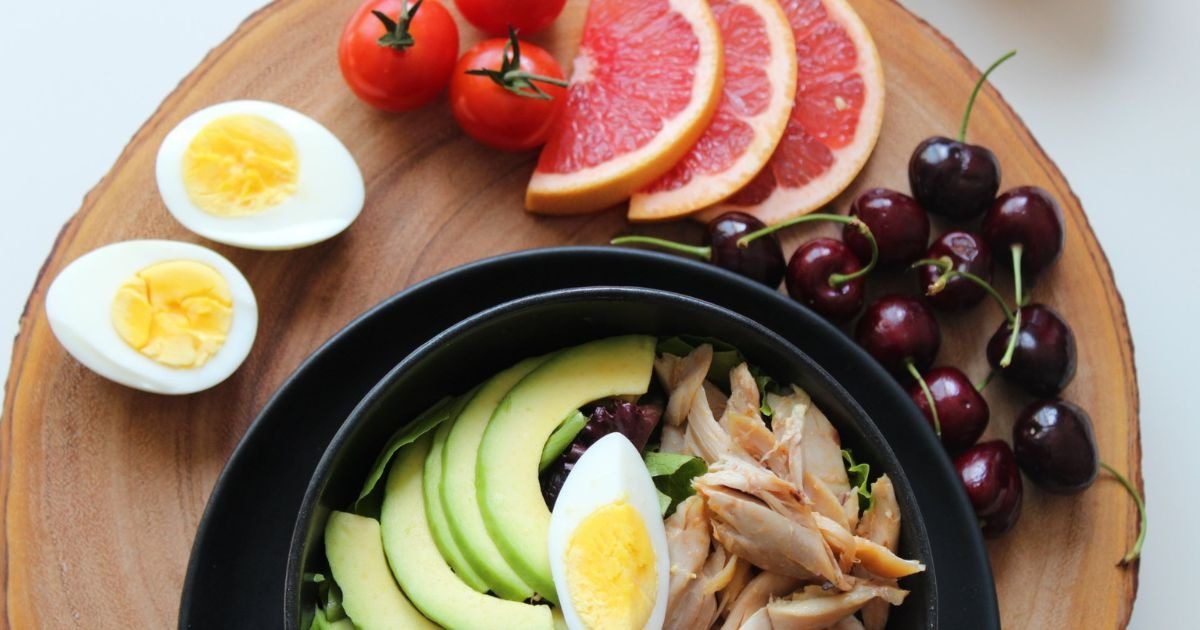
Several foods can be very beneficial to a hormone-balancing diet as they contain nutrients that promote the normal function of the endocrine system, metabolism, and the person’s mood. Fiber-rich vegetables and whole grains are helpful in blood sugar stabilisation, which is able to soften hormonal changes. The good fats contained in avocados, salmon, and nuts are the main sources of hormone production and the health of the cells. Proteins of good quality provide the necessary amino acids that the body uses for the synthesis of peptide hormones. Besides this, seeds and nuts are good sources of trace minerals such as selenium, magnesium, and zinc, whiCh have been singled out as very important elements in hormone regulation.
Leafy Greens & Cruciferous Vegetables in Your Hormone Balance Diet

Green vegetables like spinach, kale, and Swiss chard, plus cruciferous vegetables such as broccoli and cauliflower, are an excellent source of dense nutrition for a hormone-balanced diet. These veggies provide the body with the necessary fiber, vitamins, and minerals that not only revitalize the liver but also make the body more responsive to hormonal changes. For example, the liver is responsible for removing excess hormone metabolites, and some compounds in cruciferous vegetables facilitate that process. Making it a habit to have a big salad or sautéed greens is probably the easiest way to keep your hormones well supported.
Healthy Fats & Fatty Fish for Hormonal Harmony
When trying to maintain a hormone-balanced diet, fats should not be considered as the enemy. Actually, the correct fats are necessary. One can get omega-3 fatty acids, monounsaturated fats, and other nutrients from fatty fish like salmon, seeds, avocados, and nuts. These nutrients help to control inflammation, improve insulin sensitivity, and provide the body with the basic materials for hormone production. So, a meal with grilled salmon, avocado, and a side of roasted vegetables might be a great way to support your Hormone Balance Diet. roasted veggies can be a powerful ritual in your hormone-supporting routine.
Lean Proteins & Plant-Based Protein for Hormonal Support

Protein plays a crucial role in a hormone balanced diet as one of the essential amino acids is required to synthesise peptide hormones. (for example, those involved in appetite, stress and reproduction). Lean animal sources (chicken, turkey, fish), eggs, beans and lentils are all good choices. By making sure that every meal you eat has a bit of protein. You will help to stabilise blood sugar, reduce cravings, and support a balanced hormonal rhythm.
Whole Grains & High-Fibre Foods in the Hormone Balance Diet
Whole grains (such as quinoa, oats, brown rice) and top-fibre foods are major components of a hormone balanced diet. Fibre is the main supporter of the digestive system and it is also the regulator of insulin and other key hormones. The bacteria in the gut are the main controllers of hormone regulation and nutrient signalling, therefore a diet abundant in plants and whole grains is a firm foundation for hormonal resilience. Replace refined carbs with whole-grain alternatives and you will probably experience a more stable energy level.
Seeds and Nuts – Small but Mighty for Hormone Balance

Hormonal support is delivered to the body in a very small and compact form when one consumes seeds like flaxseed, pumpkin, sesame and sunflower. These seeds contain trace minerals and phytoestrogens that can softly affect the hormone pathways. Besides that, nuts provide good fats, protein and micronutrients as well. One daily handful of nuts or one teaspoon of ground flaxseed mixed in your smoothie is the simplest way to incorporate hormone balance food into your diet.
Dark Chocolate & Treats Done Wisely in Your Hormone Balance Diet

Sure, you are allowed to add a treat in your diet, and if done correctly, it can even help maintain hormone balance. One of the reasons is that dark chocolate (with 70 % cocoa or more) has magnesium, antioxidants. And compounds that improve the mood and lower the level of stress hormones. By opting for a small piece of dark chocolate rather than a sugary snack you get the sweetness.The pleasure, and also some nutrients without the hormone-disrupting spikes of sugar.
Conclusion
A balanced and easy-to-understand diet that takes into account hormone balance is really the basis of your power, joy, and health. When you combine leafy vegetables, healthy fats, fat-free protein. Whole grains, seeds, and an occasional treat you create a lifestyle that is not only clever but also very supportive of your body.
Use this way as your life journey rather than a strict diet. With small and regular decisions such as adding more greens to your plate. Choosing salmon instead of processed meat or eating dark chocolate with a good intention, you will become more and more balanced.
or more insights on how nutrition supports women’s health and hormone balance, explore our detailed guide on Nutrition for Women — packed with tips to help you feel your best every day.
FAQs
Q1. What is a hormone balance diet and why is it important?
A diet that promotes hormone balance is one that focuses on whole foods, nutrient-dense and minimally processed meals. Designed to support endocrine function. The point is that hormones fluctuations affect the mood, metabolism, energy, and general health.
Q2. Can a hormone balance diet help with weight management?
es, indeed. By implementing a hormone balance diet you are on your way to the regulation of insulin, cortisol. Hormones that determine body weight.
Q3. Which foods should I avoid when following a hormone balance diet?
To be on the safe side of the hormone balance diet, avoid intake of foods such as soft drinks, sugary snacks. Refined grain products, processed meat, and acid fat. These may lead to hormone signalling disruption and cause inflammation.
Q4. How quickly will I feel the effects of a hormone balance diet?
Time depends on circumstances. Some people report that their energy, mood, and skin condition have improved within a few weeks of using the hormone balance diet. They say that it takes three to six months of consistent diet and lifestyle changes for one to have a deeply balanced hormonal system (menstrual cycle, metabolism, etc.).
Q5. Do I need supplements if I follow the hormone balance diet?
A well-designed hormone balance diet supplies most of the nutrients needed naturally. As a result, you do not always need supplements. In cases such as thyroid disorders or severe deficiency, your doctor may advise taking supplements to complete your diet.
0 Comments