
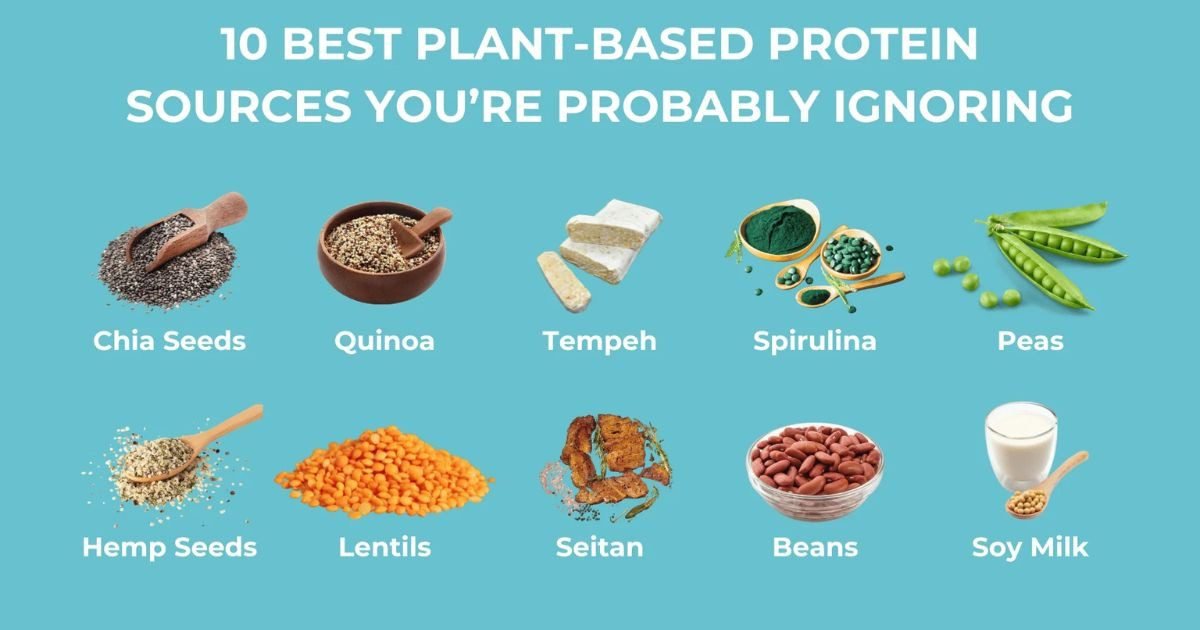
Top Plant Protein Sources for a Balanced Diet in 2025
Protein is the most important nutrient for the human body. It contributes to the growth of muscles, helps the body repair itself, and is a major factor in the general well-being of the individual. Many people will immediately associate protein with meat, fish, or eggs. However, plants can also be a source of quality protein. In factare turning to plant protein sources, more people for health and the environment.
Plant proteins are not only good for you but are also rich in fiber, vitamins, and minerals. They are more environmentally friendly than animal proteins. Plant-based proteins are ideal for people who are vegetarian, vegan, or who just want to reduce their meat consumption.
This article deals with the best plant protein sources that allow to keep a balanced diet. Those foods are simple to integrate into everyday meals, economically, and are nutrient-rich.
1. Lentils

Lentils rank among the most plant -rich plant foods. About 18 grams of protein can be obtained from the consumption of just one cup of cooked lentils.
Main Advantages
- High protein and fiber content
- Source of iron, folate, and magnesium
- Low in fat and very easy to make
using tips
Lentils can be used in soups, stews, curries, and salads. They open the cooking time and nutrition and make the dish more hearty.
2. Chickpeas
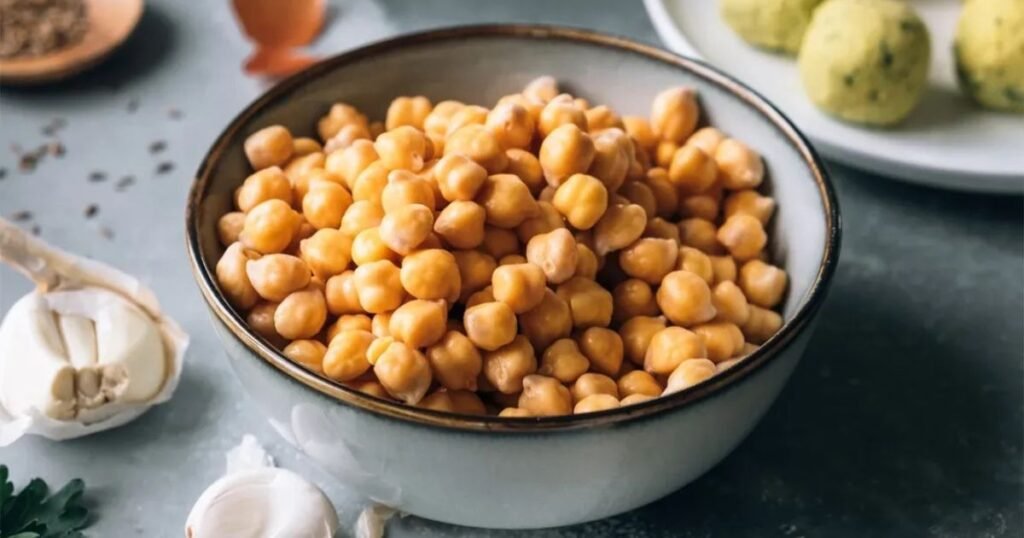
Chickpeas are another excellent plant protein. The protein content of one cup of cooked chickpeas is approximately 15 grams.
key advantage
- A good source of protein and fiber
- Heart and gut health support
- Can used in numerous recipes
using techniques
Chickpeas are common in hummus, salads, or simply roasted as a crunchy snack. They also make a great addition to curries and stews.
3. Quinoa

Quinoa is called a “complete Plant ” because it contains all nine essential amino acids. About 8 grams of protein is provided by one cup of cooked quinoa.
top advantages
- Gluten-free and high in protein
- Rich in magnesium, iron, and antioxidants
- Delivers long-lasting energy
using methods
You can substitute quinoa for rice or pasta. It can be mixed in salads or stir-fries with other ingredients or eaten on its own as a side dish.
4. Black Beans
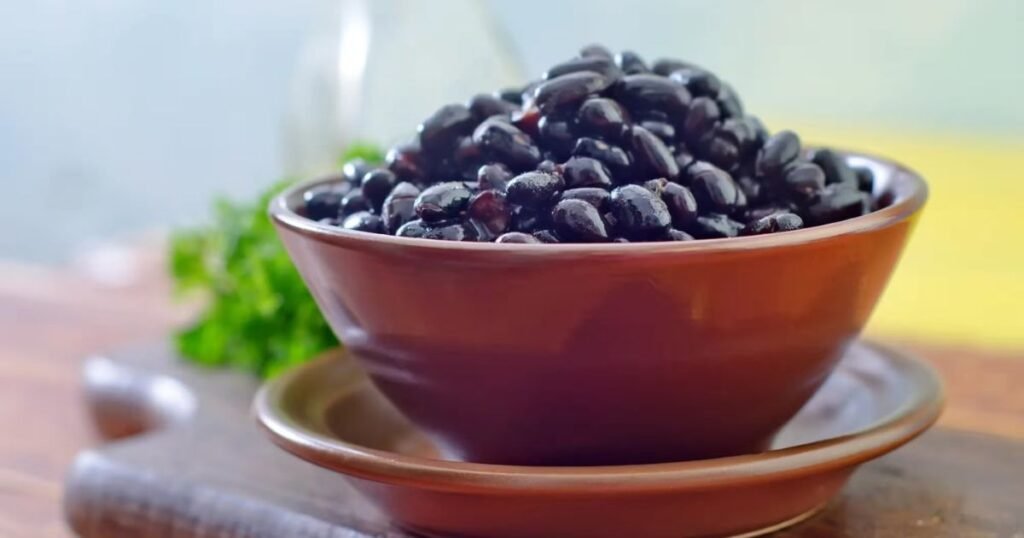
Black beans are the main food in many diets and an excellent Plant Protein Sources . They provide about 15 grams of protein per cup.
major advantage
- Rich in protein and fiber
- Support digestive health
- Source of folate and potassium
proper usage
Add them to burritos, tacos, soups, or salads. Black beans are also a great ingredient in veggie burgers.
5. Tofu

Tofu is produced from soybeans and is one of the most versatile Plant Protein Sources foods. About 10 grams of protein can be obtained from half a cup.
primary advantage
- Complete protein with all the necessary amino acids
- Calcium and iron
- Can be cooked in multiple ways
tips for using
Tofu can be stir-fried, grilled, baked, or blended into smoothies. It is able to perfectly match the flavor of the sauce and spices.
6. Edamame

Edamame are young soybeans full of nutrients. One cup of edamame contains around 17 grams of Plant Protein Sources
unique advantage
- High in protein and fiber
- Rich in vitamin K and folate
- Supports heart and bone health
ways of using
Boiled or steamed edamame is a perfect snack. They can be put into salads, rice bowls, or stir-fries.
7. Chia Seeds

Though tiny, chia seeds are loaded with nutrients. Two tablespoons give around 5 grams of best Plant Protein Sources
main health benefits
- High in omega-3 fatty acids and protein
- High in antioxidants and fiber
- Help to improve digestion and heart health
ways to take
Chia seeds can be mixed in smoothies, oatmeal, or yogurt. You could also prepare a chia pudding for a nutritious dessert.
8. Hemp Seeds
Hemp seeds rank among the best Plant Protein Sources . 3 tablespoons have about 10 grams of protein.
essential benefits
- Complete protein that contains every necessary amino acid
- Rich in omega-3 and omega-6 fatty acids
- Raises energy level and supports muscle health support
usage tips
You can add hemp seeds to salads, cereals, or smoothies. They are also good for the preparation of baked goods.
9. Peas
Green peas are a cheap and easily accessible food item. A cup of cooked peas provides approximately 9 grams of protein.
core benefits
- Rich in protein and fiber
- High in vitamins A, C, and K.
- Help in weight control
easy ways to use
Peas can be added to soups, curries, fried rice, or pasta. Also, pea Plant Protein powder is a well-liked ingredient for smoothies.
10. Nuts and Nut Butters `

Typical vegetable proteins like almonds, peanuts, and cashews are very good sources of plant protein. A 1-ounce serving of almonds will supply you with approximately 6 grams of protein.
primary benefits
Rich in protein and healthy fats
Good source of vitamin E and magnesium
Support the health of the heart and brain
best ways to use
They can be eaten as snacks, used for the preparation of salads, or nut butter can be spread on toast. Be cautious about the amount because they are calorie-dense.
11. Seitan

“Wheat meat,” or seitan, is produced by separating wheat from gluten.. It is a high-protein food of non-animal origin with approximately 25 grams of protein per 3 ounces.
major benefits
Extremely high protein content
Texture is similar to meat and is also chewy
One of the few vegan foods rich in minerals like iron and selenium
ways to apply
Currently, seitan can be cooked in various ways, such as grilled or stir-fried, as well as being added to sandwiches and wraps. This product is good for people who used to consume meat but now are looking for another type of texture with similar qualities.
Why Choose Plant Protein Sources?
There are numerous advantages of consuming plant protein instead of meat:
- Better health: Plant protein sources is low in saturated fat and cholesterol.
- Digestive health: They contain a lot of fiber that helps the digestive system.
- Sustainability: The production of Plant Protein Sources under any circumstances requires fewer natural resources than that of animals.
- Variety: There are many different options available to make meals more interesting.
It’s totally possible that a balanced diet would provide the necessary amounts of protein just by consuming a diverse assortment of plant foods.
Tips for Adding Plant Proteins to Your Diet

- Mix different sources: Eat both grains and legumes to get complete protein.
- Plan meals ahead: Make sure that every meal has some protein-rich component
- Use snacks wisely: Take nuts, seeds, or roasted chickpeas with you.
- Try new recipes: Start playing around with tofu, seitan, and plant-based bowls.
Conclusion
plant Protein is the core of healthy living, and it is not necessary that you should only derive protein from meat products. The top plant protein, such as lentils, quinoa, tofu, beans, seeds, and nuts, are almost identical to what the human body requires. Besides being healthy, these products are also quite flexible and sustainable. You can have such foods on your table during the whole day and, thus, go through a well-balanced diet that primarily keeps you energetic, healthy muscles, and the overall body integration. If you happen to be a vegan, a vegetarian, or simply someone who wants to make better food choices, then plant protein is an easy, sensible option for the coming years.
Eating more plant protein protein is a great step toward balanced nutrition. If you’d like to understand how plant proteins fit into a complete wellness plan, explore our article on the top benefits of holistic nutrition it highlights how mindful eating supports overall health and energy.
FAQs
1. What are some of the most protein-rich plant-based foods that are suitable for vegetarians?
Lentils, chickpeas, quinoa, black beans, tofu, edamame, chia seeds, hemp seeds, nuts, and seitan are the top plant protein for vegetarians. Along with proteins, these products are also high in dietary fiber, vitamins, and minerals. They could be mixed with one’s everyday diet as salads, soups, stir-fries, or even as snacks.
2. Is it possible to consume sufficient protein from a plant-based diet?
It’s surely possible for a plant-based diet to supply all your protein requirements as long as you consume diverse protein-rich foods. Nobody can fail to get all the essential amino acids from mixing beans, peas, lentils, grains, nuts, and seeds. Just to give you an example, quinoa, soy, and hemp are complete proteins, so they are the ideal protein sources for everyday use.
3. Name some plant protein foods that are regarded as complete proteins.
Some plant-based protein sources can be classified as complete Plant Protein Sources , which implies that they contain all nine essential amino acids. To be precise, some of these are quinoa, soy-based products (tofu, tempeh, edamame), buckwheat, hemp seeds, and chia seeds. Besides being these, these products also turn into the body system’s most potent supporters – a strong immune system and healthy muscles, plus overall body health.
4. How do plant protein sources compare with animal protein?
Just a few plant protein sources can be considered complete proteins, meaning that they have all nine essential amino acids. In fact, some of these are quinoa, products made from soy (tofu, tempeh, edamame), buckwheat, hemp seeds, and chia seeds. On top of being protein , these products become the building materials of a strong immune system, healthy muscles, and general good health of the body.
5. What are the easiest ways to increase the amount of plant protein in daily meals?
ConsumingPlant Protein Sources is much easier when you start doing the following: adding beans to the soups, sprinkling chickpeas on your salads, replacing rice with quinoa, adding tofu or tempeh to your stir-fry, and eating nuts or roasted seeds as snacks. Besides this, people who make smoothies with chia or hemp seeds are capable of raising their protein intake to a great extent in a very simple way and without realizing it.
0 Comments