
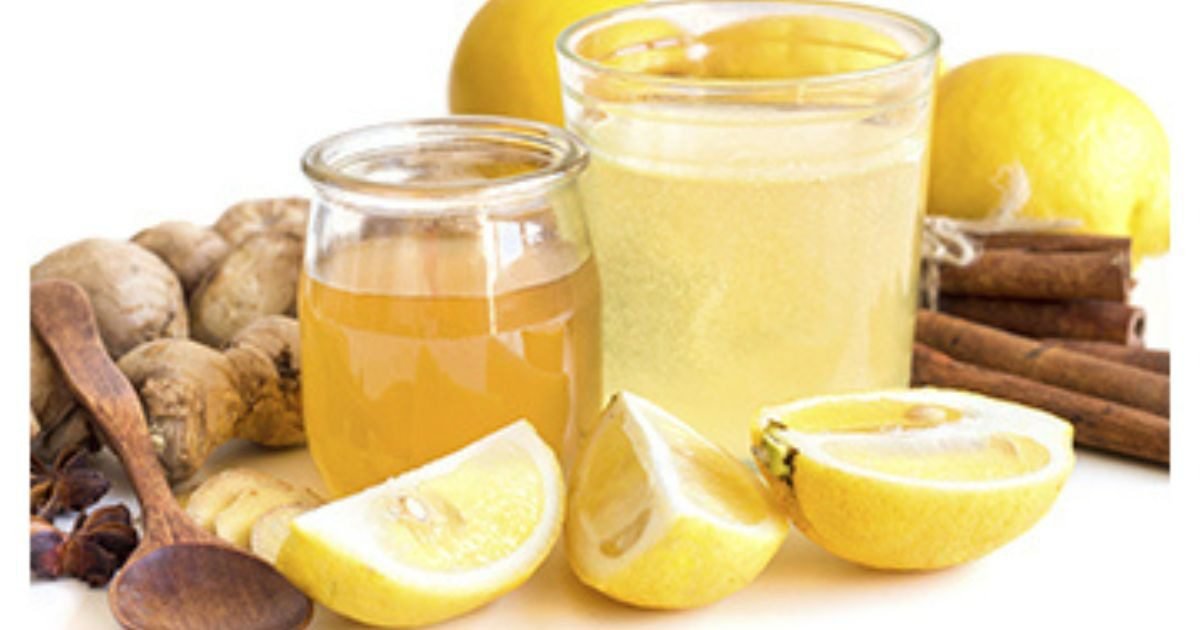
Best Ways to Prevent Eat Illness Naturally
Imagine sitting down to enjoy your favorite meal. The aroma fills the room, your mouth waters, and you take the first bite — only to feel sick hours later. That sudden discomfort, nausea, or stomach pain might not be random. It could be Eat Illnessalso known as foodborne illness. This happens when harmful bacteria or toxins enter your body through contaminated food or water.
Every year, millions of people suffer from food poisoning, but most cases are preventable. The best part? You can protect yourself and your family with simple, natural habits. Let’s explore the best ways to prevent eat illness naturally and keep your meals safe, healthy, and full of joy and eat illness
1. Keep Your Hands Clean
The easiest and most effective way to prevent eat illness is by washing your hands. Many people underestimate this simple act, but it’s your first defense line. Always wash your hands before cooking, eating, or touching food.
Use warm water and mild soap. Scrub for at least 20 seconds, cleaning between fingers and under nails. Use an air dryer or a fresh towel to dry.. This simple habit stops the spread of harmful bacteria like Salmonella and E. coli that often cause foodborne illness.
Pro Tip: Always wash your hands after touching raw meat, eggs, or seafood — even if you plan to wash utensils right after.
2. Choose Fresh Ingredients
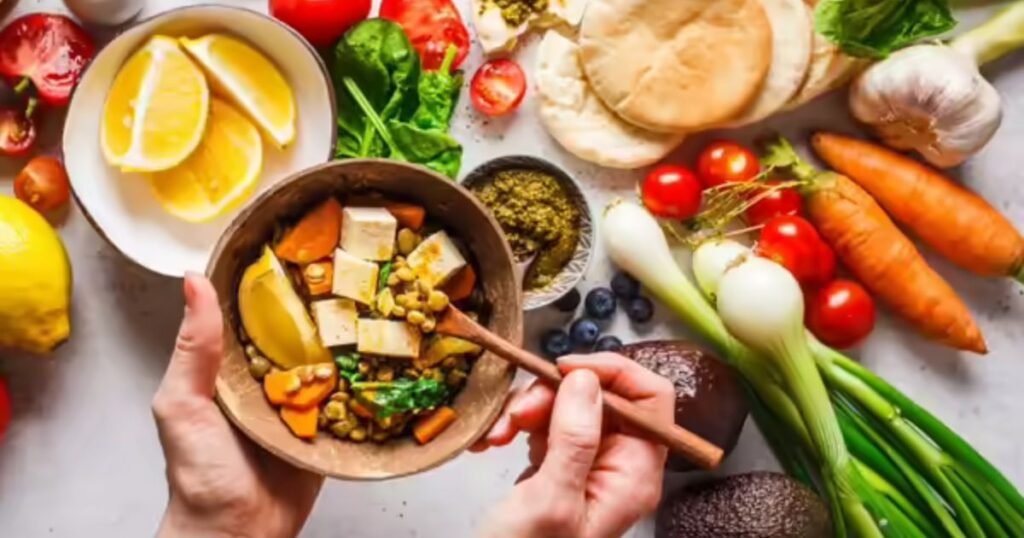
Your food’s safety begins at the store or market. Check the freshness of fruits, vegetables, meat, and dairy before buying. Avoid items that smell bad, have mold, or show discoloration.
Buying local and organic food can help reduce your exposure to chemicals and toxins. Organic farms often use fewer synthetic additives, which means fewer harmful residues. Fresh and clean food lowers the risk of eat illness and supports better digestion.
When buying packaged foods, always check expiration dates. If you see a bloated can or damaged packaging, leave it behind. These are clear signs of contamination.
3. Separate Raw and Cooked Foods
Cross-contamination is a major cause of eat illness. When raw meat or eggs touch cooked food, harmful bacteria transfer instantly. Use separate cutting boards and knives for raw and cooked items.
Keep raw foods in sealed containers in your fridge to prevent their juices from leaking onto ready-to-eat foods. Even a tiny drop from raw chicken or fish can spread bacteria.
Tip: Label your boards — one for raw meat, one for vegetables, and one for fruits — to stay organized and safe.
4. Cook Food to Safe Temperatures
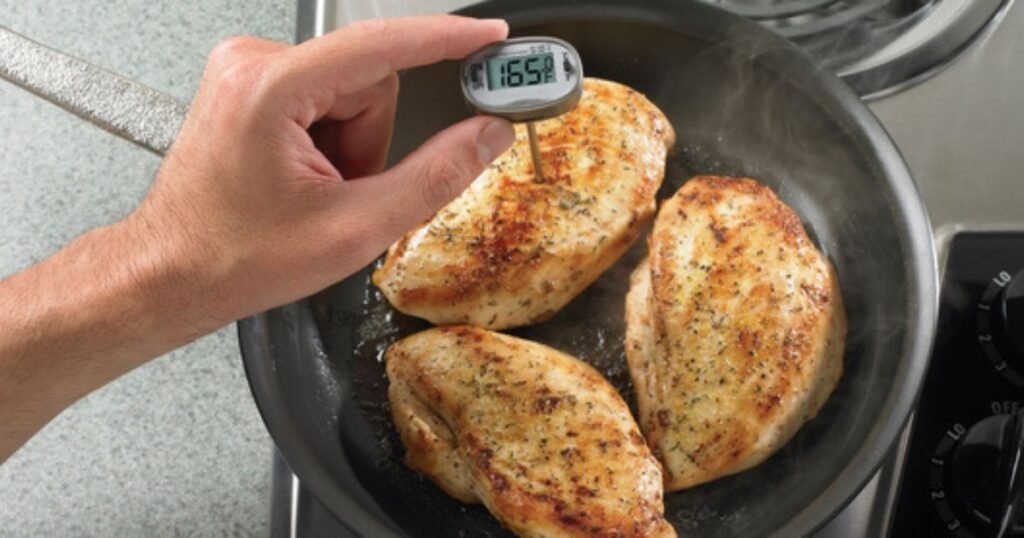
Cooking food properly kills most harmful bacteria. Undercooked meat, fish, or eggs are common causes of foodborne illness. Use a food thermometer if possible.
Here’s a quick guide:
- Poultry: 165°F (74°C)
- Beef, lamb, pork: 145°F (63°C)
- Fish: 145°F (63°C)
- Eggs: Cook until yolks and whites are firm
Never taste food to check if it’s safe. Bacteria don’t change flavor or smell, so tasting can make you sick. Cooking thoroughly ensures your food is both delicious and safe.
5. Store Food Safely
Temperature plays a key role in food safety. Bacteria grow quickly between 40°F and 140°F (4°C–60°C), also known as the “danger zone.” To prevent eat illness, refrigerate leftovers within two hours of cooking.
Keep your fridge at 40°F (4°C) or below. Frozen items should stay at 0°F (-18°C). Use airtight containers to prevent moisture and cross-contamination.
Bonus Tip: Label and date leftovers. Eat them within three days for best safety and taste.
6. Wash Fruits and Safe Temperatures
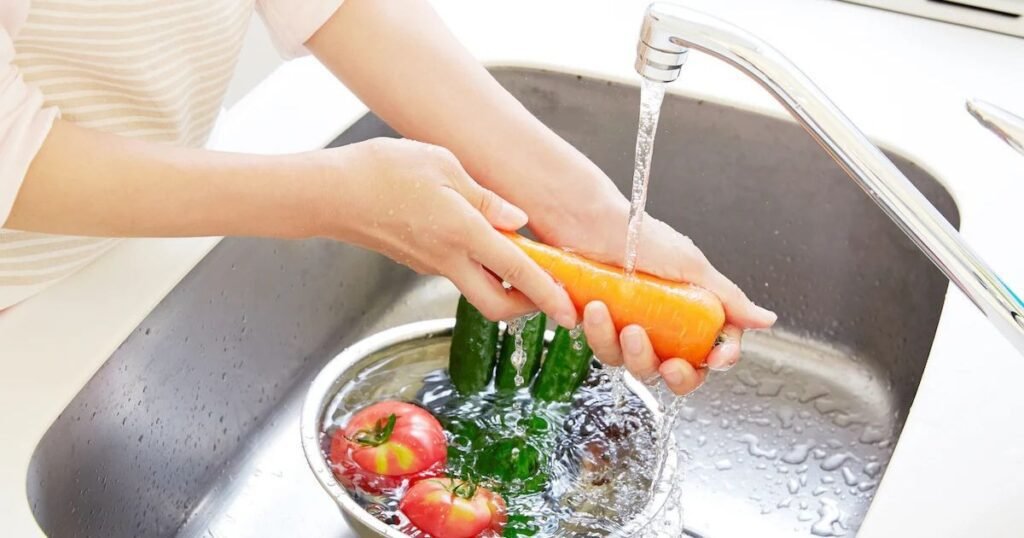
Even if your produce looks clean, invisible bacteria can hide on the surface. Rinse fruits and vegetables under running water before eating or cooking.
For firm produce like cucumbers or apples, use a clean brush to scrub the surface. Avoid using soap — it can leave residue that harms your health. For leafy greens, remove outer layers and soak briefly in water.
Washing your produce reduces pesticides, dirt, and harmful microbes that can cause eat illness naturally.
7. Practice Safe Food Handling Outdoors
Eating outside at picnics and barbecues is great, but it comes with higher risks of foodborne illnesses. Make sure you always have a cooler with ice packs for your perishable foods. Separately store raw and cooked items, and don’t let food that is not refrigerated stay out for more than two hours.
In case it is a hot day (above 90°F or 32°C), put refrigerate perishable food or get rid of it if it has been there for more than an hour. The main reason for keeping meals cool is to slow down bacteria growth.
Quick Tip: Share food at outdoor events by using disposable gloves or utensils to serve others.
.
8. Strengthen Your Immune System

However, the body is a main factor even if there is perfect hygiene, in the prevention of eating illness. A strong immune system is able to battle bacteria in a natural way.
Make sure to eat a balanced diet that is full of vitamins, minerals, and antioxidants. Add such foods as garlic, ginger, yogurt, spinach, and citrus fruits. They not only improve the health of the digestive system but also they make the body’s defense system stronger.
Always drink enough water to be hydrated. The detoxification process will become easier through the digestive system which will also keep the stomach healthy when the body is well hydrated.
9. Avoid Eating Leftovers Too Long
Leftovers are a great time saver, and yet it is not advisable to keep them for too long. Bacteria grow even in the fridge after a couple of days. If a product has an offensive smell, a slimy texture, or a different taste, then you should not take any risks — discard it.
First of all, leftover food should be heated to a minimum of 165°F (74°C) before consumption. Do not reheat a portion of food several times because bacteria will multiply in the intervals between the reheating. Proper reheating and eating the food within a suitable time are the only ways to keep safe from foodborne diseases.
10. Be Cautious When Eating Out

Restaurants follow hygiene rules, but mistakes can happen. Choose clean places with good reviews and visible hygiene practices.
Avoid undercooked dishes like rare meat, raw eggs, or sushi from unknown sources. Ask questions if you’re unsure about how food was prepared.
When ordering street food, ensure it’s cooked hot and served fresh. Trust your instincts — if the stall or kitchen looks unhygienic, skip it.
11. Natural Remedies That Help Your Body Fight Eat Illness
Sometimes, despite all precautions, mild eat illness can occur. Natural remedies can support quick recovery:
- Ginger tea: Soothes nausea and fights inflammation.
- Coconut water: Restores electrolytes lost through vomiting or diarrhea.
- Plain yogurt: Provides probiotics to restore gut balance.
- Bananas and rice: Gentle on the stomach and easy to digest.
Avoid heavy, spicy, or oily food until you feel better. Rest and hydration are your best healers.
12. Teach Kids About Food Safety

Children are more vulnerable to foodborne illnesses. Make hygiene fun by teaching them simple steps — washing hands, not sharing utensils, and avoiding unwashed fruits.
Use colorful visuals or stories to help them remember why these steps matter. Safe habits formed early protect them for life.
13. Go Natural, Not Chemical
Many people use strong cleaning agents on kitchen surfaces. While they kill germs, they may leave harmful residues that affect food safety.
Instead, try natural cleaners. Mix vinegar, baking soda, and lemon juice to disinfect counters and cutting boards. They are safe, eco-friendly, and effective in preventing eat illness.
Natural cleaning habits protect both your family and the environment.
14. Understanding the Bigger Picture

Eat illness isn’t just about a bad stomach day. It can lead to dehydration, fatigue, and serious infections if ignored. Recognizing early signs — nausea, diarrhea, vomiting, or fever — helps prevent complications.
If symptoms persist beyond 48 hours, seek medical attention. Natural remedies and prevention go hand in hand, but professional care ensures complete recovery.
Conclusion
Many people are convinced that natural methods of preventing food-related diseases are very complicated. Actually, it is quite simple, just being aware, having good habits and eating properly. In addition to that, it is very important to wash your hands properly, food should be stored in a clean way, eat fresh food, and use your senses for food safety.
Good food should not be the reason for diseases in your body, but a source of health. You have the freedom to eat whatever you want, but you should also take the necessary precautions every day. Remember that nature has given you all the necessary defenses to keep you healthy. If you are wise enough to use them, then not only will you be able to protect yourself, but also your family from unnecessary eat illness every day.
If you want to learn more about how certain foods can trigger or reduce inflammation in your body, check out our detailed guide on Foods That Cause and Reduce Inflammation. It’s the perfect next read to help you make healthier food choices and prevent eat illness naturally..
FAQs
1. What causes eat illness?
Eating illness is the result of the ingestion of food or water contaminated with bacteria, viruses, or toxins.
2. How can I prevent foodborne illness naturally?
People should wash their hands regularly, cook food to appropriate temperatures, and ensure that leftover food is stored in a hygienic manner. Also, people should use fresh ingredients, maintain clean kitchen utensils.
3. What are early symptoms of eat illness?
Some of the symptoms may be vomiting, abdominal pain, diarrhea, and even fever.
4. Can natural foods help recover from eat illness?
Certainly. Ginger tea, coconut water, and plain yogurt are quite effective in bringing back your body’s harmony and vigor.
5. How long does eat illness last?
At most, a mild case will be resolved within 1-3 days. If the situation lasts longer, you should see a doctor.
0 Comments