
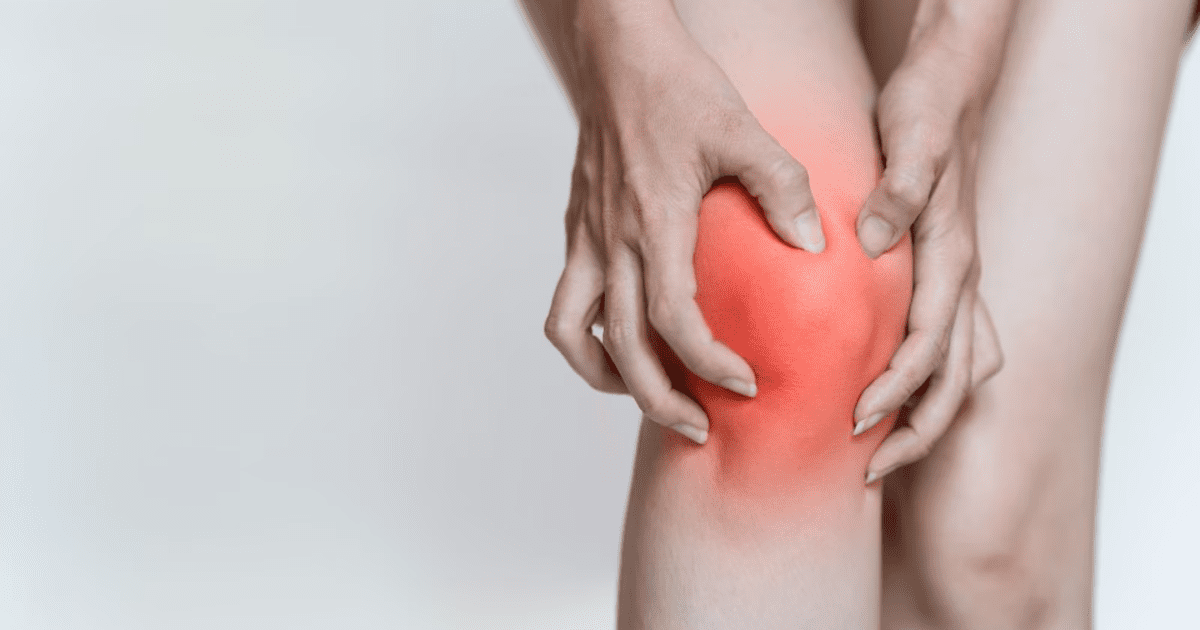
Top Causes of Joint Pain You Shouldn’t Ignore
Joint pain is a widespread disease that gives discomfort to people numbering in millions across the globe. You can have it in your knees, hips, shoulders, hands, or spine. Although some Top Causes of Joint Pain You Shouldn’t Ignore occur because of the excessive use of certain body parts, the sources of which might be related to underlying health issues. Knowing the main sources of joint pain will empower you to make the right moves for treatment and prevention.
In this handbook, we will delve into the main reasons behind joint discomfort, pinpoint the symptoms that you should never overlook, and provide some advice on how to keep your joints strong and healthy.
1. OsteoarthritisThe Wear and Tear of Joints
Osteoarthritis is the leading cause of joint pain, and this is especially true for elderly people. It develops with the decay of the cartilage that gives the bones in your body a cushioning effect. Slowly, the cartilage that cushions the bones is worn out, and the bones will be in contact with each other, which will result in pain, swelling, and stiffness.
- Main Signs:
- Discomfort during or after a physical activity
- Morning stiffness that disappears with movement
- reduced mobility in the afflicted joints
benefits explained
Osteoarthritis, when left unheeded, can cause serious damage to the joints and mobility reduction. The use of lifestyle changes and treatments at the early stages can slow down the progression of the disease.
2. Rheumatoid Arthritis When the Immune System Attacks
In contrast to osteoarthritis, rheumatoid arthritis is an autoimmune disease. The immune system that is fighting the cause of the diseases is inappropriately targeting the connective tissue of the joints. Painful swelling is the result of this inflammation. Without being managed, the tissue and the bone can be damaged by the disease.
primary sign
- Symptoms of swelling and sensitivity in many different joints
- Symmetrical pain (both sides of the body)
- Fatigue and lack of energy
how it benefits
This kind of joint pain that comes along with disorders of the immune system requires medical attention. The earliest diagnosis is the most important in terms of the prevention of permanent damage and disability.
3. GoutPain from Uric Acid Crystals

Gout is a quick and can be a very painful form of arthritis if the uric acid level is too high. It is typical that uric acid crystals are formed in joints and cause to receive sharp pain and swelling, most often in the big toe.
major sign
- Very fast, strong pain in one joint that always appears suddenly
- The area that is affected by the pain is inflamed, red, and feels warm
- The pain is unbearable and starts at night
how it supports
Gout, if it is not treated, will result in the deforming of the joints as well as some kidney problems. Controlling the attacks of gout can be done with the help of medication and diet.
4. Bursitis Inflammation of Joint Cushions
The bursae are tiny sacs filled with fluid that act like a cushion between the bones, tendons, and muscles. Bursitis is an inflammation of the bursae. The point of pain is usually in the shoulders, elbows, or hips.
important sign
Very intense pain in the place where the joint is the closest
The place that is affected by the pain is swollen or red
The pain becomes even worse when the joint is moved or pressed
how it improves
Overstrain, injury, or infection can be the reasons for bursitis. With rest and proper treatment, the problem usually disappears, but if it is ignored, it will continue to cause pain.
5. Tendinitis When Tendons Become Inflamed

The tendons connect muscles and bones. The overuse or the straining of a certain part of the body can lead to tendinitis, which will cause joint pain. The problem is seen mostly in athletes and people who do the same movements over and over again at work.
key indicators
- Aching around the joint
- The pain gets worse with movement
- Swelling and sensitivity of the spot
ways it helps
Rest, stretching, and strengthening exercises are some of the ways that tendinitis can be helped. If tendinitis is ignored, it will come to the stage when the tendons will tear.
6. Injuries – Sprains, Strains, and Fractures

At times, direct damage to a body part is the main cause of joint pain. Persistent pain can develop as a result of a sprain or a fracture if it is not treated appropriately. Moreover, old wounds, most probably, will bring back arthritis;
early signs
- Immediate pain is caused after an injury or accident
- Skin edema and color changes (bruising)
- Partial or complete loss of the joint function
advantages explained
Injuries that are ignored may eventually cause permanent weakness. Medical intervention assures proper recovery.
7. Lupus – A Systemic Autoimmune Disorder
Lupus is another one of the immune system’s diseases that may lead to joint discomfort. It causes inflammation in different body parts, including joints.
top signs
- Joint ache and swelling are the first symptoms that usually appear.
- Lack of energy, skin problems, or fever
- Pain that comes and goes
how it enhances
Lupus, being a multi-organ disease, is still manageable with medication only when a proper diagnosis is made. By neglecting symptoms, one is inviting permanent damage to internal organs.
8. Infections – Septic Arthritis
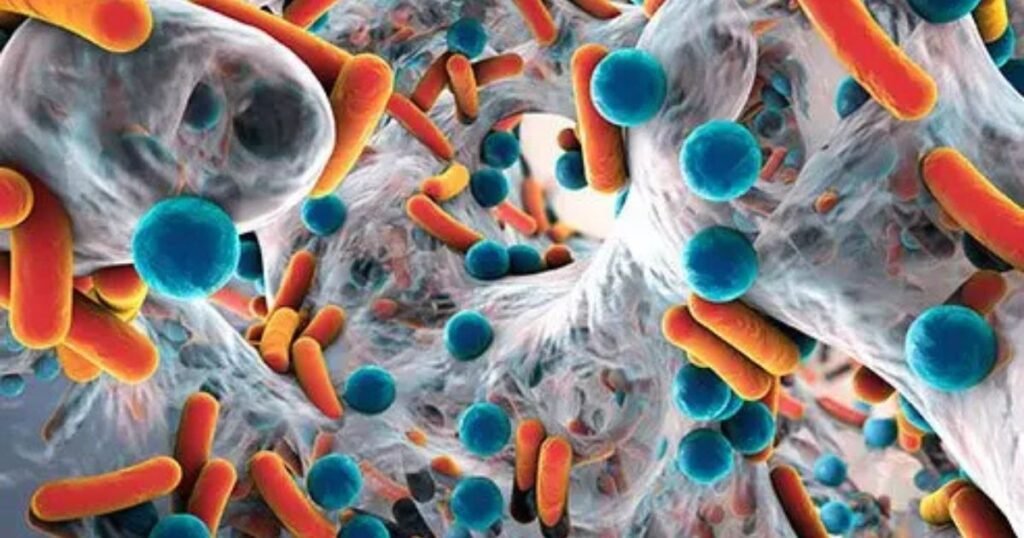
There is a possibility that joint pain is the result of an infection. The bacteria or viruses that cause the most common infections of the joints make an area of infection and inflammation called septic arthritis. The condition is extremely painful and dangerous.
main signs
- Unanticipated and very strong joint pain
- High temperature and shivering
- Local swelling, heat, and redness
benefits guide
Septic arthritis is an urgent case for medical attention. If the infection is not stopped, it can not only loosen the joint but also spread further into the body.
9. Lyme Disease – Tick-Borne Joint Pain

Lyme disease is a tick-borne illness that is able to cause joint pain for a very long time if the patient is not treated. The disease usually targets knees and other large joints.
important signs
- Swelling and pain in large joints
- Fatigue, headaches, or skin rash
- Pain that comes in cycles
positive effects
Lyme disease takes a short time to be curable once antibiotics are used. If it is left unattended, it may cause arthritis permanently.
10. Lifestyle Factors – Obesity and Lack of Exercise
Joint pain is often the result of lifestyle decisions. Extra weight is the main cause of joint problems, especially in the knees and hips. The inactivity leads to muscle loss, which, in turn, results in less support for the joints.
warning signs
- Gradual pain that aggravates with movement
- The pain feels worse when you put your weight on the joint
- The loss of movement increases with time
health advantages
Weight loss and regular physical activities keep the joints from overloading, thus preventing damage.
When to See a Doctor

Joint pain is not always an emergency situation, however, some symptoms require urgent medical attention. Do not hesitate to contact a doctor if you experience:
- If the pain is very intense and swelling occurs suddenly
- If the pain persists for weeks or months
- Fever, rash, unexplained tiredness, along with joint pain
- The inability to move or use the joint to the extent that is normal
On-time medical intervention can save the affected area from irreversible damage and improve the quality of life.
Tips to Manage and Prevent Joint Pain
Regardless of the causes, some measures can provide protection to your joints:
- Have a normal body weight
- Do physical activities on a daily basis to strengthen muscles
- Gentle exercises like prenatal yoga can also improve flexibility, ease joint stiffness, and help reduce pain naturally.
- Use ergonomic gadgets for your office or household work
- Eat healthy with foods that are high in omega-3 and vitamins
- Drink water to keep the joints lubricated
Conclusion
Joint pain is not just a small thing over which the pain sufferers should turn a blind eye. It can be a sign of hidden conditions such as arthritis, gout, or autoimmune diseases. At times, it may be related to lifestyle or the injury. By fairly recognizing the major causes of the disease and getting medical assistance at the proper time, you can become a true shelter to your life and vigor.
Never neglect the pains that refuse to go away. Early action is vital; doctor’s visits, along with your professional care, will keep your joints in the best condition. The health of your joints is the bedrock of a long and quality life.
FAQs
1. What are the most typical reasons why people get joint pain?
The most common causes of joint pain are basically osteoarthritis, rheumatoid arthritis, gout, injuries, bursitis, and tendinitis. The lifestyle factor, like obesity, can be a contributor to joint pain as well.
2. Can diet help reduce joint pain?
Definitely. A diet full of omega-3 fatty acids, fruits, and vegetables is the one that aids in reducing the inflammatory process and makes the joint pain manageable. Processed foods and too much sugar consumption should also be limited.
3. When should I see a doctor for joint pain?
A doctor should be consulted if joint pain is very intense, has lasted for more than a few weeks, or is accompanied by swelling, fever, or movement restriction. Early therapy can keep long-term injury at bay.
4. Does exercise make joint pain worse?
Not necessarily. The range of low-impact activities may include walking, swimming, and stretching, which in turn will increase one’s flexibility and decrease the heaviness of the joint pain. On the contrary, high-impact exercises will probably worsen the pain.
5. Can stress cause joint pain?
Yes. Stress does cause inflammation in the body, and this process is the trigger for the joint pain that is, in fact, affected by stress. To be relaxed, you can do yoga and meditation.
0 Comments