

Top 10 Mike Mentzer Workout Routine Principles for Massive Muscle Growth
Building muscle is a goal many people share. But most people train for hours without seeing real progress. Mike Mentzer changed that. His method was simple, intense, and smart. The Mike Mentzer workout routine is known for fast muscle growth with less time in the gym. His style focused on strength, effort, and discipline.
If you are tired of long workouts that don’t work, his plan may help you see real change. This article breaks down the top 10 principles of his method. These ideas come from years of training, testing, and real experience. Whether you are new or advanced, you will find value here.
We will also cover the Mike Mentzer training program, the Mike Mentzer HIT routine, and even his approach to Mike Mentzer chest workouts. Let’s begin.
What Makes the Mike Mentzer Workout Routine Special?

The program is built on one idea:
Train less, but train harder.
Mentzer believed the body grows when you rest, not when you train every day. His system uses heavy weights, slow reps, and short sessions. This forces the muscles to work harder in less time. The body then grows stronger during recovery. Mike Mentzer Workout Routine
This approach is great if you want faster results without long hours in the gym.
Top 10 Mike Mentzer Workout Routine Principles
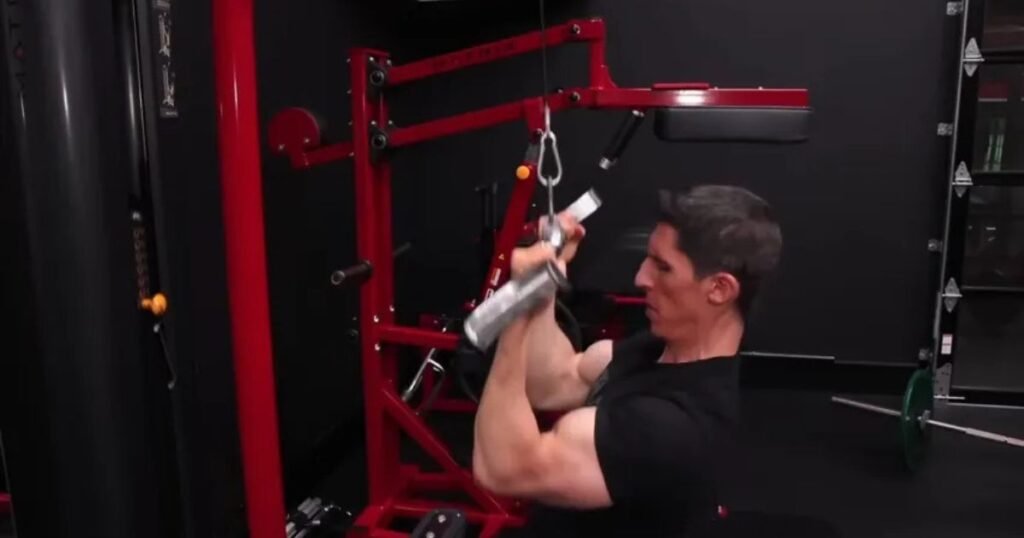
1. High Intensity, Low Volume Training
Mentzer believed in one goal: push your muscles to their limit. Instead of doing many sets, you focus on a few intense sets. Each set is done with maximum effort.
Why it works:
- Saves time
- Boosts strength
- Forces fast muscle growth
This idea is key in the Mike Mentzer HIT routine.
2. Train to Absolute Failure
Failure means you cannot lift the weight for another rep with proper form. Mentzer said that growth starts here. It pushes your muscle past comfort and triggers new growth.
What to do:
- Use a weight that challenges you
- Perform reps slowly
- Stop only when the muscle fails completely
3. Slow and Controlled Reps
Every lift should be slow. No swinging. No cheating.
A typical rep is:
- 4 seconds up
- 4 seconds down
This builds more tension. More tension means more growth.
4. Short, Focused Workouts
Mentzer preferred workouts that lasted 20 to 40 minutes. The goal is not time spent but intensity used. Long workouts reduce energy and slow progress.
This makes the routine perfect for busy people.
5. Long Rest Periods Between Workouts
This part surprises many people. Mentzer believed you should rest 3 to 7 days between training the same muscle group.
Yes—less training, more growth.
Your muscles repair and grow during rest, not during training.
6. Use Progressive Overload
Your body grows when you increase the challenge.
Ways to add overload:
- Add weight
- Add one extra rep
- Improve form
- Slow down the rep
Track your workouts. Aim to improve every time.
7. Perfect Form Comes First
Heavy weight is useless if your form is sloppy. Mentzer promoted perfect control on every rep.
Good form:
- Reduces injury
- Increases muscle activation
- Improves results
Never sacrifice form for ego lifting.
8. Limited Exercises Per Session
Mentzer’s workouts were simple. He picked the best exercises and ignored the rest.
A typical Mike Mentzer training program includes:
- Deadlifts
- Squats
- Bench press
- Rows
- Pull-ups
- Dips
These build real strength and serious size.
9. One Set to Failure Is Enough
This is Mentzer’s signature idea.
You warm up.
You focus.
Then you perform one powerful set to failure.
That single set is more effective than 10 easy sets.
10. Record Everything
Mentzer kept detailed notes for every workout. Tracking helps you stay consistent. It lets you see what works and what doesn’t.
Record:
- Weight used
- Reps completed
- Rest times
- Strength changes
This builds discipline and long-term progress.
Sample Mike Mentzer Chest Workout Routine

Here is a simple plan inspired by his system:
- Warm-Up: Light chest fly, 2 minutes
- Incline Dumbbell Press: 1 set to failure
- Flat Bench Press: 1 set to failure
- Weighted Dips: 1 set to failure
The whole workout takes less than 15 minutes but hits your chest hard.
Pros and Cons of the Mike Mentzer Workout Routine
Pros
- Saves time
- Builds fast muscle
- Great for busy people
- Reduces risk of overtraining
- Boosts strength quickly
- Simple and easy to follow
Cons
- Failure training can be tough
- Longer rest may feel strange at first
- Requires discipline
- Not ideal for people who love long workouts
- Progress can stall if you skip tracking
Who Should Follow the Mike Mentzer Workout Routine?
- Weightlifters wanting fast muscle growth
- People with limited time
- Anyone who wants simple and effective training
- Lifters who want a challenge
People tired of high-volume gym routines
Who Should Not Try It?
It may not be ideal for:
- Beginners who don’t know proper form
- People recovering from injuries
- Those who prefer long and light workouts
If you are new, start with lighter weights and focus on learning movement patterns first.
Tips to Make the Most of the Routine
- Sleep 7–9 hours daily
- Eat enough protein
- Do not skip rest days
- Track every workout
- Warm up properly
- Stay consistent
Small steps lead to big results.
Conclusion
The Mike Mentzer workout routine is powerful, smart, and simple. It shows that you don’t need long workouts to build muscle. You only need intensity, focus, and discipline. With his HIT principles, you can boost strength and size faster than before.
Whether you follow the full program or use parts of it, these ideas can improve your training. Just remember:
Train hard. Rest well. Grow fast.Looking to boost your performance and overall wellness? Don’t forget to check out Vitamins for Energy to support your workouts and keep your energy levels high throughout the day.
FAQs
1. Is the Mike Mentzer workout routine good for beginners?
Yes, but beginners should first learn form. Start with light weights before training to failure.
2. How often should I train using this method?
Most people train 2–3 times per week with long rest days.
3. Does the Mike Mentzer HIT routine really work for muscle growth?
Yes. It works for many people because it focuses on intensity and recovery.
4. Can I combine this with cardio?
Yes. Light cardio is fine. Just avoid long sessions that may slow recovery.
0 Comments