

Top 10 Veg Low-Carb Diets for Fast Weight Loss
Struggling to lose weight while sticking to a vegetarian lifestyle? Veg Low-Carb Diets might be the perfect solution. By focusing on low-carb, plant-based meals, these diets help you burn fat faster, improve digestion, and maintain steady energy throughout the day. Whether you’re a busy student, an educator, or someone simply aiming for a healthier lifestyle, adopting a well-structured low-carb vegetarian approach can make weight loss manageable and sustainable.
In this guide, you’ll discover the top 10 veg low-carb diets, complete with meal ideas, pros and cons, and expert tips to create a balanced diet plan for weight loss that works in real life.
Why Low-Carb Works for Weight Loss
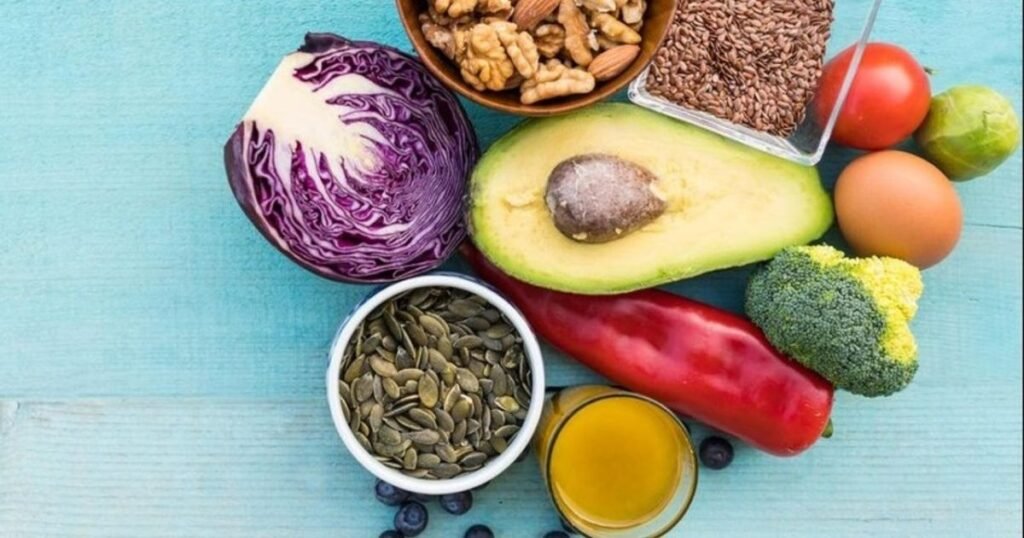
Low-carb diets have gained immense popularity because they target fat loss efficiently while stabilizing energy levels. But why do they actually work? Let’s break it down scientifically in a simple way.
1. Reduces Insulin Spikes
Your body converts carbohydrates into glucose.When glucose levels rise, your pancreas releases insulin to store the extra sugar as fat — often around the belly. By limiting carbs, you reduce insulin spikes, helping your body burn stored fat more effectively.
2. Promotes Fat as a Primary Fuel Source
When carb intake is lower, your body shifts from using glucose to using fat for energy, a process called ketosis. Even moderate low-carb diets help the body tap into fat reserves, which speeds up weight loss.
3. Enhances Satiety
low carb vegetarian meals often include higher amounts of protein and healthy fats, which make you feel full for longer. This reduces cravings and prevents overeating, a major contributor to excess belly fat.
4. Stabilizes Blood Sugar Levels
Consistently high blood sugar levels can lead to fat storage and insulin resistance. Low-carb diets smooth out blood sugar fluctuations, improving overall metabolism and energy efficiency.
5. Reduces Belly Fat Specifically
Studies have shown that low-carb diets tend to reduce visceral fat — the deep belly fat around organs — more effectively than low-fat Veg Low-Carb Diets. This type of fat is strongly linked to metabolic issues, making its reduction particularly beneficial for long-term health.
How to Follow a Veg Low-Carb Diet Safely
Transitioning to a Veg Low-Carb Diets can be highly effective for weight loss, but it’s important to plan carefully to avoid nutrient gaps. Here’s how to follow it safely and sustainably.

Macronutrient Balance & Portioning
To get the best results from a veg low-carb diet, you need a proper balance of macronutrients:
- Protein: Essential for muscle maintenance and satiety. Include Greek yogurt, paneer, tofu, tempeh, legumes, and nuts.
- Healthy Fats: Necessary for energy and hormone balance. Use olive oil, avocado, flaxseeds, and almonds.
- Carbohydrates: Focus on low-carb vegetables, leafy greens, and small portions of fruits like berries. Avoid refined carbs like white rice, bread, and sugary foods.
Portioning tip:
- Fill 50% of your plate with non-starchy vegetables,
- 25% with protein,
- 25% with healthy fats or legumes.
This ensures you stay full, get essential nutrients, and keep carbs low without feeling deprived.
Key Nutrients to Watch (B12, Iron, Protein)
Vegetarian low-carb diets can sometimes lack certain essential nutrients:
- Vitamin B12: Mostly found in animal products.Veg Low-Carb Dietscan use fortified foods or supplements.
- Iron: Plant-based sources include spinach, lentils, pumpkin seeds, and pairing with vitamin C-rich foods improves absorption.
- Protein: Crucial for muscle and fat metabolism. Track intake to ensure you’re getting enough from tofu, tempeh, Greek yogurt, nuts, and seeds.
Extra tip: Incorporate a variety of colorful vegetables and seeds to cover micronutrients and fiber. This supports digestion and metabolism, complementing your low-carb approach.
Top 10 Veg Low-Carb Diet Patterns

Adopting the right veg low-carb diet can accelerate weight loss while ensuring proper nutrition. Here are the top 10 Veg Low-Carb Diets patterns with practical tips and examples.
Mediterranean-style Low-Carb Veg
- Focus: Olive oil, vegetables, nuts, seeds, and moderate legumes.
- Carb Range: ~50–80g/day
- Why it works: Rich in fiber and healthy fats, stabilizes blood sugar, and promotes satiety.
- Sample Meal: Greek salad with olive oil, roasted vegetables, and a handful of almonds.
Low-Carb Indian Vegetarian (Paneer & Dal Adjustments)
- Focus: Paneer, tofu, lentils, low-starch vegetables.
- Carb Range: ~60–90g/day (adjust rice and chapati portions)
- Why it works: Protein-rich, culturally familiar, and easy to follow at home.
- Sample Meal: Paneer tikka with sautéed spinach and cucumber salad.
Low-Carb Mediterranean-Indian Fusion
- Focus: Combines Mediterranean veggies, olive oil, and Indian spices/proteins.
- Carb Range: ~50–80g/day
- Why it works: Adds flavor variety, high in fiber and antioxidants.
- Sample Meal: Roasted bell peppers stuffed with spiced paneer and herbs.
Vegetarian Keto (Veg-Keto)
- Focus: High-fat, moderate protein, very low-carb vegetables.
- Carb Range: 20–50g/day
- Why it works: Induces ketosis, burns fat efficiently, controls appetite.
- Sample Meal: Zucchini noodles with avocado pesto and roasted tofu.
Low-Carb Plant-Protein Focus
- Focus: Legumes, lentils, tofu, and protein-rich seeds.
- Carb Range: 60–90g/day (controlled portion sizes)
- Why it works: Maintains muscle mass while reducing carbs; keeps you full longer.
- Sample Meal: Lentil salad with roasted vegetables and pumpkin seeds.
Low-Carb Whole-Food Plant-Based (WFPB Low-Carb)
- Focus: Whole vegetables, nuts, seeds, and minimal processed foods.
- Carb Range: 50–80g/day
- Why it works: Rich in micronutrients, antioxidants, and fiber for gut health.
- Sample Meal: Stir-fried broccoli, kale, and mushrooms with sesame seeds.
Low-Carb Flexitarian Plan
- Focus: Mostly vegetarian but flexible with occasional plant-based dairy/protein.
- Carb Range: 60–100g/day
- Why it works: Adaptable, sustainable, and beginner-friendly.
- Sample Meal: Quinoa salad with roasted vegetables and a boiled egg.
Low-Carb High-Protein Vegetarian
- Focus: Protein from tofu, tempeh, Greek yogurt, legumes, and nuts.
- Carb Range: 50–80g/day
- Why it works: Promotes muscle retention, boosts metabolism, and suppresses cravings.
- Sample Meal: Tofu stir-fry with spinach, mushrooms, and flaxseeds.
Carb-Cycling for Vegetarians
- Focus: Alternate high-carb and low-carb days while keeping protein constant.
- Carb Range: 30g low days, 90–120g high days
- Why it works: Prevents metabolic slowdown, improves Veg Low-Carb Diets-burning efficiency.
- Sample Meal (Low Day): Zucchini noodles with avocado and seeds; High Day: Oats with berries and nuts.
Mediterranean-style Low-Carb Meal-Prep Plan for Students
- Focus: Easy, quick, plant-based low-carb meals suitable for busy schedules.
- Carb Range: 50–80g/day
- Why it works: Saves time, encourages consistency, and supports academic lifestyle.
- Sample Meal: Pre-packed salads with chickpeas, cucumbers, olives, and tahini dressing
Comparison Table: Top 10 Diets (calorie focus, carb range, protein emphasis, suitability)
| Diet Name | Calories (Approx.) | Carb Range | Protein Emphasis | Suitability (Students/Educators) |
| Keto Diet | 1,500–2,000 | Very Low (<20g/day) | High | Good for short-term focus, may be hard long-term |
| Atkins Diet | 1,500–2,200 | Low (20–50g/day) | High | Flexible for busy schedules |
| Paleo Diet | 1,800–2,200 | Moderate (50–100g/day) | Moderate | Easy to prep meals, natural foods |
| Mediterranean Diet | 1,800–2,200 | Moderate (100–150g/day) | Moderate | Ideal for heart health, sustainable |
| Veg Low-Carb Diet | 1,400–1,800 | Low (30–50g/day) | Moderate | Perfect for students/educators, plant-based |
| DASH Diet | 1,800–2,200 | Moderate (100–150g/day) | Moderate | Great for blood pressure management |
| Intermittent Fasting | 1,400–2,000 | Variable | Moderate | ⚠ Requires schedule discipline |
| High-Protein Diet | 1,600–2,200 | Moderate (50–100g/day) | Very High | Supports muscle growth, energy |
| Flexitarian Diet | 1,800–2,200 | Moderate (100–150g/day) | Moderate | Flexible for mixed preferences |
| Low-Calorie Diet | 1,200–1,600 | Low (50–100g/day) | Moderate | Effective short-term, needs |
Pros of Veg Low-Carb Diets
- Supports Weight Loss – Low-carb approach helps reduce belly fat and overall body weight effectively.
- Plant-Based Nutrition – Rich in vegetables, nuts, seeds, and legumes, providing essential vitamins and minerals.
- Stabilizes Blood Sugar – Helps manage blood sugar levels, making it beneficial for pre-diabetic or diabetic individuals.
- Boosts Energy – Protein and healthy fat sources provide sustained energy throughout the day.
- Heart Health – Reduces intake of refined carbs and promotes healthy fats, supporting cardiovascular health.
- Easy to Customize – Flexible for students, educators, or anyone with a busy lifestyle.
- Reduces Cravings – High fiber and protein content help control appetite and reduce snacking.
Cons of Veg Low-Carb Diets
- Nutrient Deficiency Risk – Eliminating low carb veg sources may reduce certain nutrients like fiber if not carefully planned.
- Adjustment Period: In the initial days, newcomers may feel exhausted or have “low-carb flu.”
- Social Challenges – Eating out or attending events may be harder due to limited low-carb options.
- Potential Cost – High-quality plant proteins (like tofu, paneer, nuts) can be expensive.
- Not for Everyone – Individuals with kidney issues or specific medical conditions should consult a doctor before starting.
Common Mistakes & How to Avoid Them

1. Skipping Meals
Mistake: Kuch log Veg Low-Carb Diets ke liye meals skip kar dete hain, jo metabolism slow kar deta hai.
Solution: Din mein 3 main meals aur 2 healthy snacks zaroor include karein.
2. Not Getting Enough Protein
Mistake: Sirf vegetables khana aur protein ignore karna weight loss aur muscle maintenance ke liye theek nahi hai.
Solution: Paneer, tofu, legumes, nuts, aur seeds ko har meal mein shamil karein.
3. Overeating Low-Carb Foods
Mistake: Low-carb hone ka matlab ye nahi ke jitna chaho utna khayein. Calories zyada lene se weight loss nahi hoga.
Solution: Portion control maintain karein aur calorie intake monitor karein.
4. Ignoring Fiber Intake
Mistake: Low-carb diets mein fiber kam ho sakta hai, jis se digestion aur gut health affect hoti hai.
Solution: Leafy greens, flax seeds, chia seeds, broccoli aur beans ko include karein.
5. Not Drinking Enough Water
Mistake Veg Low-Carb Diets dehydration ka risk badhate hain agar water intake kam ho.
Solution: Din bhar 8–10 glass paani ya herbal teas zaroor lein.
6. Unrealistic Expectations
Mistake: Jaldi results ki umeed rakhna ya fad diet approach lena.
Solution: Consistency aur balanced approach rakhain; sustainable weight loss long-term ke liye best hai.
Conclusion
Veg low-carb diets are an effective and sustainable way to reduce belly fat naturally. By focusing on high-fiber vegetables, plant-based proteins, and healthy fats, you can control appetite, boost metabolism, and improve overall health. Consistency, proper meal planning, and staying hydrated are key to achieving lasting results.
For optimal results, combine this diet with regular physical activity and avoid common mistakes like skipping meals or ignoring protein. Start small, stay disciplined, and enjoy the journey toward a healthier, fitter you!
To make your veg low-carb routine easier, you can also explore Fat Snacks for Healthy Weight Loss, jahan par tum healthy, filling, aur low-carb snack options dekh sakte ho jo weight loss ko fast aur sustainable banate hain.
FAQs
What is a veg low-carb diet?
A veg low-carb diet focuses on consuming plant-based foods that are low in carbohydrates, such as vegetables, nuts, seeds, and legumes, while avoiding high-carb foods like rice, bread, and sugary items. It helps in weight loss and improves overall health.
Can I lose belly fat with a veg low-carb diet?
Yes! By reducing carb intake and focusing on protein, fiber, and healthy fats, a veg low-carb diet can help reduce belly fat and promote overall fat loss naturally.
Are there any side effects of a veg low-carb diet?
Some people may experience initial fatigue, headaches, or constipation when starting a low-carb diet. Drinking plenty of water, eating fiber-rich vegetables, and gradual adjustment can reduce these side effects.
Can students and educators follow this diet easily?
Absolutely! The diet is flexible and can be adapted for busy schedules. Quick meals, salads, and healthy snacks make it convenient for students and educators to maintain consistently.
How long does it take to see results on a veg low-carb diet?
Results vary depending on metabolism, activity level, and consistency. Most people start noticing changes in 2–4 weeks with a balanced approach and regular physical activity.
0 Comments