

Top Sleep Disorders Causes You Should Know in 2025
Have you ever stared at the ceiling at 2 a.m., wondering why sleep feels so hard to find? You’re not alone. More people than ever are struggling to get a full night’s rest. The reason isn’t just one thing — it’s a mix of lifestyle habits, stress, and hidden health issues that silently disturb our sleep.
Sleep is the foundation of physical energy, emotional balance, and mental clarity. Yet, modern life often works against it. From late-night screen time to anxiety and poor routines, small factors add up and keep millions of people awake.
In this article, we’ll explore the Top Sleep Disorders Causes You Should Know in 2025. Whether you’re dealing with restless nights, waking up exhausted, or fighting chronic insomnia, understanding the real causes is the first step toward better rest and recovery.
1. Stress and Anxiety
Stress is one of the leading sleep disorders in 2025. Our fast-paced digital lives make it hard to disconnect. Constant phone use, work pressure, and personal worries trigger the body’s stress hormones, especially cortisol.
High cortisol levels keep your mind alert, making it hard to fall or stay asleep. This is often linked with stress and sleep problems. Chronic stress may even lead to insomnia or restless sleep.
To fix this, create a bedtime routine. Turn off screens an hour before bed, meditate, or listen to calm music. These small actions reduce anxiety and signal your brain that it’s time to rest.
2. Poor Sleep Hygiene

Sleep hygiene means how well your daily habits support healthy sleep. Many people underestimate its power. Things like irregular bedtime, too much caffeine, or using your phone in bed can all cause sleep disruption.
When your body’s internal clock, or circadian rhythm, gets off balance, sleep quality drops. Ensure that your space is quiet, dark, and chilly. Aim for a consistent bedtime each night.Good sleep hygiene supports natural, deep rest.
3. Hormonal Changes in Females
Hormones play a big role in how we sleep. For women, this connection becomes even clearer during different life stages. The causes of insomnia in females often include hormonal shifts during menstruation, pregnancy, and menopause.
Fluctuations in estrogen and progesterone affect body temperature and mood. These changes can make it difficult to fall asleep or stay asleep. Keeping a regular bedtime routine, exercising gently, and maintaining a balanced diet can help manage these changes naturally.
4. Sleep Apnea

Sleep apnea is one of the most serious sleep disorders causes today. It happens when breathing stops repeatedly during sleep. Each pause jolts the body awake for a few seconds, even if you don’t realize it.
People with sleep apnea often snore loudly and feel exhausted even after a full night in bed. This condition raises the risk of heart disease and high blood pressure.
If you suspect sleep apnea, consult a doctor. Simple lifestyle changes like losing weight or avoiding alcohol before bed can make a big difference.
5. Technology and Blue Light
In 2025, we spend more time on screens than ever. Phones, laptops, and tablets emit blue light that interferes with melatonin, the hormone that controls sleep.
When melatonin levels drop, your brain stays alert even when you feel tired. Checking social media or watching videos before bed is one of the hidden reasons for poor sleep that most people ignore.
Switch to “night mode,” limit screen time, or use blue-light-blocking glasses to reduce the impact.
6. Irregular Work Schedules

Shift workers and late-night professionals often battle disturbed sleep. When your work hours change frequently, your body’s natural rhythm gets confused. This can cause chronic fatigue and long-term sleep issues.
Try to stick to a consistent sleep pattern, even on days off. Exposure to natural sunlight during the day can also help reset your internal clock.
7. Medical Conditions
Certain health conditions can lead to sleep problems. Chronic pain, asthma, heartburn, or thyroid issues often disturb rest. For some people, depression or anxiety disorders also contribute to insomnia.
Understanding your body is key. Treating the root medical cause often helps fix your sleep too. Always consult a doctor if your sleep problems last more than a few weeks.
8. Sleep Paralysis

One of the terrifying things that come with sleep paralysis are the symptoms that happen frequently. To a large extent, sleep paralysis is a phenomenon where a person’s brain is fully awake but the rest of the body is still in the state of sleep and this happens usually during the transition between sleep and wakefulness. For a few seconds, you may even feel that you are fully awake but you cannot move or speak
. There are a few people who have also reported seeing some figures and feeling that there is some sort of pressure on their chest.
Sleep paralysis is generally a safe condition, however, it is often associated with sleep disorders, stressed periods and lack of rest. There are ways to keep sleep paralysis at bay, such as making sure that your sleep is consistent and that you are free from anxiety.
9. Poor Diet and Caffeine Intake
The food you consume has a direct impact on your sleep. If you eat a heavy meal right before going to bed, it may cause you to feel uncomfortable and suffer from indigestion, thus, you won’t be able to sleep. An excessive intake of caffeine or sugar during the day also disrupts the production of sleep hormones.
It is better not to take coffee or energy drinks later than the afternoon. Eating magnesium and tryptophan-rich foods such as bananas and yogurt will help your body relax and sleep come more easily.
10. Environmental Factors

The area can significantly affect the quality of common sleep issues The noise from the street, the light of the sun, or even a messy room may be troublesome for your relaxation. The weather also matters – a cool room is better for deep sleep.
Make use of blackout curtains, comfortable bedding, and noise control to generate a tranquil sleep space. Minor environmental changes can have a great impact.
How to Identify the Root Cause of Your Sleep Disorder

Different Sleep Disorders Causes problems are different for each person. The most effective method to determine the reason for your sleep is by monitoring your habits. Maintain a sleep diary for a week or two. Write down the time of going to bed, the time taken to fall asleep, and the feeling of waking up.
Patterns will emerge. It may turn out that the reasons for your sleep disorders are the late-night screen
Expert Tips for Better Sleep in 2025
- Set a sleep schedule: Go to bed and wake up at the same time daily.
- Create a relaxing routine: Read, stretch, or meditate before bed.
- Limit screen time: Avoid phones or laptops one hour before sleep.
- Exercise regularly: Physical activity helps balance stress and energy.
- Eat smart: Avoid caffeine, sugar, and heavy meals close to bedtime.
- Check your environment: Keep your bedroom dark, cool, and quiet.
- Manage stress: Practice mindfulness or breathing exercises daily.
These small changes, when practiced consistently, can help reverse many sleep disorders causes naturally.
When to See a Doctor
When you have worked on your habits and still find it hard to get sleep, you should definitely consider getting professional help. A doctor or sleep specialist can figure out the hidden reasons for cases like sleep apnea or chronic insomnia.
Do not be reluctant to consider your sleep problems purposely if they last for a long time. The shortage of sleep may affect your concentration, emotional state, and even health in the distant future. The priority of solving the problem through expert advice is the surest way to getting the right treatment and a good recovery.
The Future of Sleep Health
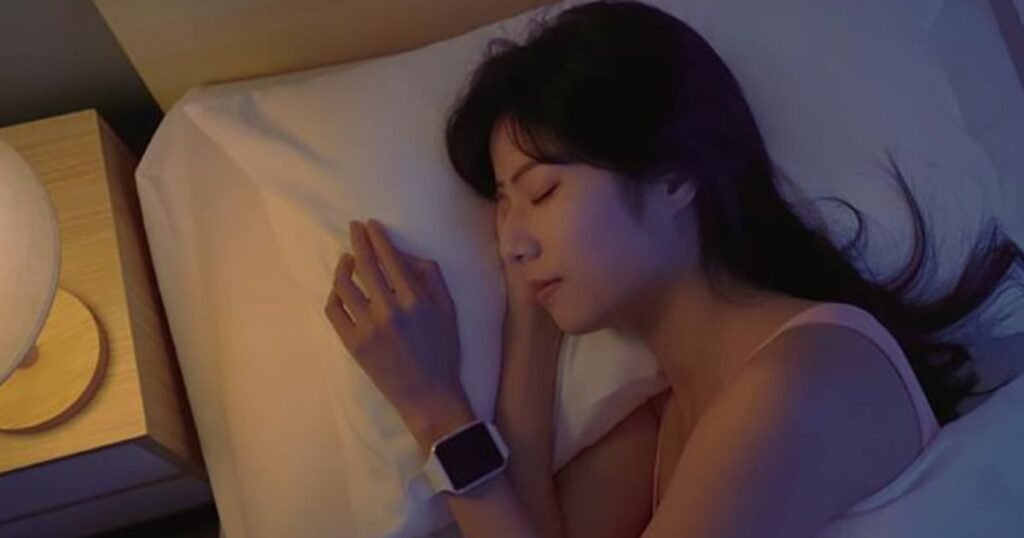
In 2025, innovations and studies are delivering a fresh promise to those with sleep disorders. Intelligent mattresses, sleep-monitoring gadgets, and customized relaxation apps are making it easy for people to not only track but also enhance the quality of their sleep.
Though, not a single device is capable of substituting beneficial lifestyle practices. The authentic answer is still found in equilibrium – alleviating stress, nourishing your body, and honoring your requirement for sleep.
Conclusion
It is not true that sleep is a luxury. It is a necessity. Knowing the sleep disorders that happen to you can be a turning point for your life. These disorders can be caused by stress, hormonal changes, technology use, diet, or any other factor. If you keep making small changes to your lifestyle and getting help when you need it, you will be able to get back your sleep and experience the feeling of being refreshed in the morning.
If you’re interested in learning more ways to support your overall health naturally, explore our other articles on holistic wellness and healthy living. Discover practical tips to improve your daily routine and achieve a balanced lifestyle at Good Next in Life.
FAQs
1. What are the main sleep disorders caused in 2025?
The significant sleep disorders that arose in 2025 were those related to stress, bad habits for sleep hygiene, hormonal changes, overuse of the screen, and medical conditions such as sleep apnea. All these factors interfere with the natural sleep cycle and consequently affect the quality of rest.
2. How does stress affect sleep?
By raising cortisol levels, stress keeps the brain very active with all kinds of thoughts even though the body is physically tired. This results in difficulty of sleep onset and also sleep maintenance so that insomnia or restless nights are the outcomes.
3. What are the common causes of insomnia in females?
Among the causes of insomnia in females are hormonal changes during menstruation, pregnancy, and menopause. These changes may affect sleep patterns and consequently cause difficulties in falling asleep.
4. What are sleep paralysis symptoms?
Sleep paralysis symptoms are those in which you feel awake but cannot move or speak, a feeling of heaviness on the chest, and sometimes, hallucinations – either visual or auditory. The episode is very brief and the main cause is usually an irregular sleep schedule or stressful situations.
5. How can I prevent sleep paralysis?
The preventive measures against sleep paralysis include sticking to a sleep schedule that is regular, taking care of one’s psychological state, and not being short of sleep. Giving oneself enough rest is one of the ways by which the sleep cycle stays balanced.
0 Comments